Beyond the Court: The Unexpected Life Lessons Kids Learn in Sport
Beyond the Court: The Unexpected Life Lessons Kids Learn in Sport
When your little one trips over their own feet during a class or throws a mini tantrum because they didn't score a goal, you might wonder if sports are worth the hassle. But here's the thing - those seemingly small moments on the field are actually building some pretty incredible life skills that'll serve your child well beyond their sporting days.
Learning to Bounce Back (AKA Resilience in Action)
Let's be honest - kids aren't naturally great at handling disappointment. Whether it's missing a catch, losing a race, or watching the other team celebrate victory, sport serves up regular doses of "life's not always fair" lessons. And whilst it's tough to watch your child's face crumple when things don't go their way, these experiences are gold mines for building resilience.
Through sport, children learn that setbacks aren't permanent. They discover that missing a goal today doesn't mean they'll never score one, and that losing a game is just one chapter in their sporting story. This mindset shift - from "I'm terrible at this" to "I'm still learning this" - becomes a superpower they'll use throughout life, from tackling difficult school subjects to navigating friendship dramas.
The Art of Waiting Your Turn
In our instant-gratification world, sport is brilliantly old-fashioned in teaching patience. Your child learns to wait in line for their turn to bat, sit on the bench while teammates play, and understand that improvement takes time and practice. These aren't just sporting concepts - they're life skills disguised as play.
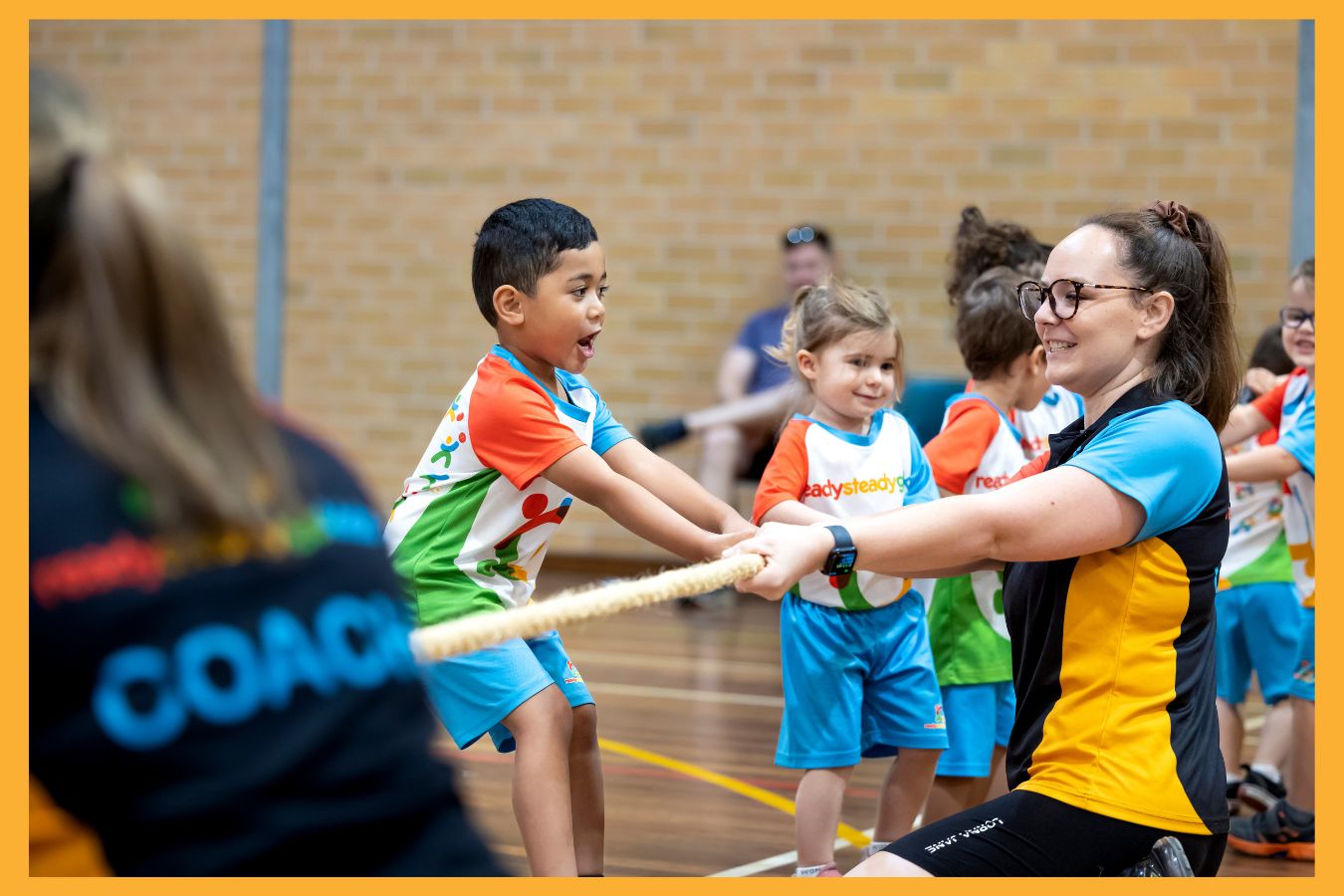
At Ready Steady Go Kids, we see this patience developing beautifully in our multi-sport classes. Little ones who initially struggle to wait for their turn gradually learn that good things come to those who wait - and that everyone gets their moment to shine.
Teamwork Makes the Dream Work
Sure, your child might not be orchestrating complex game strategies, but they're learning something far more valuable - how to be part of something bigger than themselves. Sport teaches kids that success often depends on working together, sharing resources, and supporting teammates even when they're having an off day.
These early teamwork lessons translate directly into classroom group projects, family dynamics, and eventually workplace collaboration. Children learn that everyone brings different strengths to the table and that celebrating others' successes doesn't diminish their own achievements.
Natural Born Leaders (And Followers)
Sport creates natural opportunities for leadership development without the pressure of formal leadership roles. One day your child might be encouraging a nervous teammate, the next they might be following someone else's lead during a drill. This fluid leadership experience teaches kids that great leaders are also great followers - a lesson many adults are still learning.
Emotional Regulation Under Pressure
When emotions run high during competitive moments, children learn to manage their feelings in real-time. They discover that throwing a tantrum doesn't change the score, but taking deep breaths and refocusing can improve their next play. This emotional regulation practice is invaluable for managing stress, disappointment, and excitement throughout life.
The beauty of sport is that it provides a safe space to experience big emotions and learn healthy ways to process them. Your child learns that it's okay to feel frustrated or disappointed, but it's how they handle those feelings that truly matters.
Creative Problem Solving
Sport constantly presents new challenges that require quick thinking and creative solutions. How do you get past a defender? What's the best strategy when you're behind on points? These split-second decision-making moments build cognitive flexibility and problem-solving skills that extend far beyond the sporting arena.
Respect and Sportsmanship
Perhaps one of the most beautiful lessons sport teaches is how to treat others with respect, regardless of the circumstances. Children learn to shake hands after games, cheer for good plays by opponents, and understand that the person on the other team is just another kid trying their best - just like them.
This sportsmanship translates into empathy and respect in all relationships. Children who learn to congratulate opponents on good plays often become adults who can celebrate colleagues' successes without jealousy.
The Long Game
Whilst you might sign your child up for sport thinking about physical fitness and fun, you're actually investing in their character development. The confidence gained from mastering a new skill, the resilience built through handling setbacks, and the social skills developed through team interaction become the foundation for lifelong success and wellbeing.
Every stumble, every small victory, and every lesson in patience is building your child's toolkit for life. So next time you are at your Ready Steady Go Kids class, remember - you are witnessing character development in action.