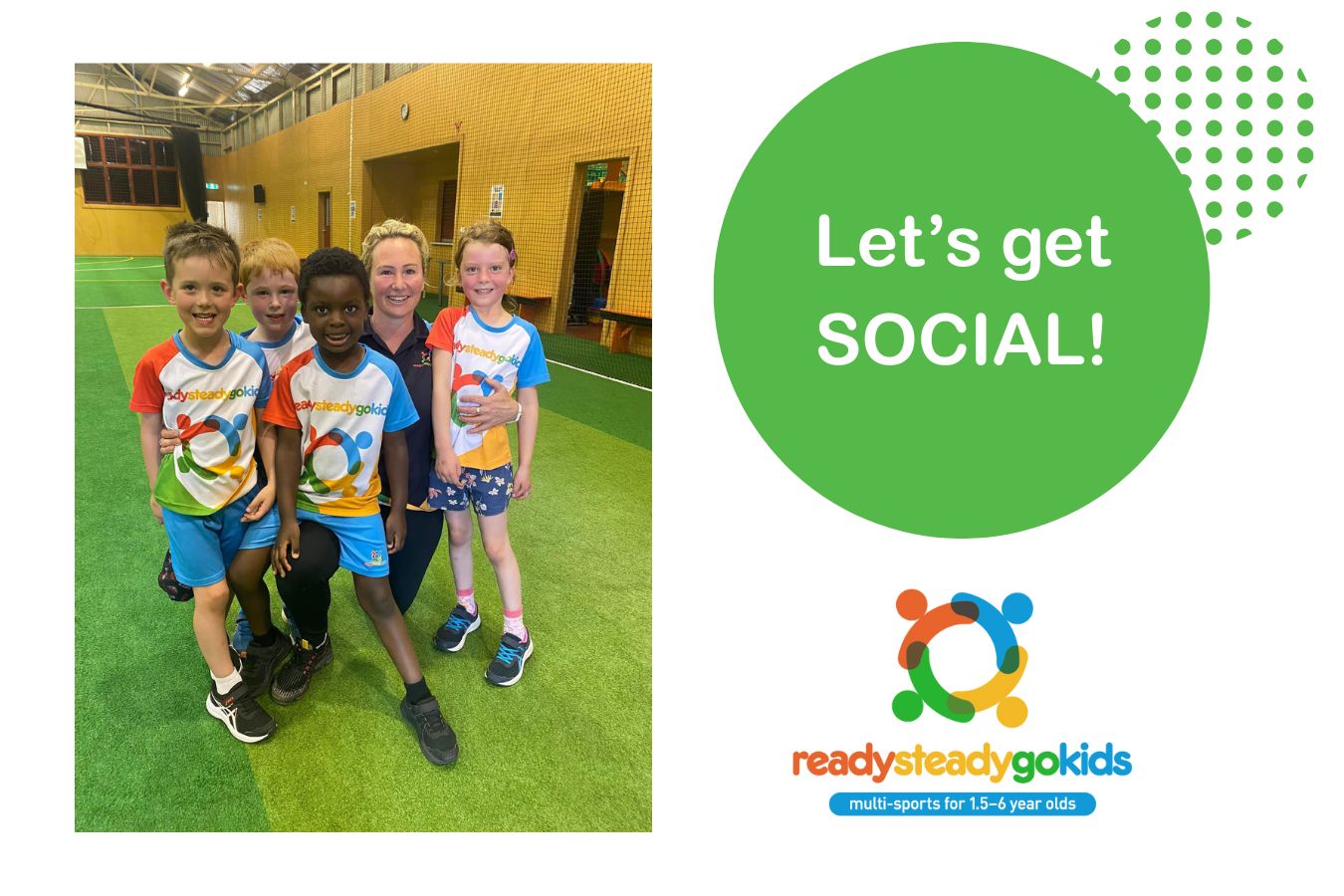
COVID Babies: Helping Your Little Ones Catch Up on Social Skills through Sport
If your little one was born during the pandemic, you may notice extra shyness in groups. They might cling at the playground or feel overwhelmed by more than one child.
COVID babies missed crucial early social experiences—but it’s not too late. Sport can be a simple, playful way to help them catch up.
What COVID Actually Did to Our Little Ones
During lockdowns, babies and toddlers stayed home—no playgroups, childcare centres or chance encounters at the shops. Research suggests many born then scored lower in gross motor, fine motor and social-emotional skills, with higher rates of communication and social delays. Masks also limited facial-cue reading.
The good news: young brains are incredibly adaptable; with the right support, they can catch up.
Why Sport is the Secret Weapon for Social Skills
Sport is not just physical. For toddlers, it is a natural way to practise social skills inside clear, predictable routines.
Waiting for a turn builds patience. Passing equipment practises sharing. Following group instructions grows listening and teamwork. Structured activities feel safer than free play for anxious kids. Movement helps regulate emotions, so confidence grows as they interact.
How Ready Steady Go Kids Makes It Work
Ready Steady Go Kids is designed for this. Our multi-sport classes build social skills in a fun, low-pressure environment while teaching throwing, catching and kicking.
We begin with simple group routines that help children feel part of the class without requiring direct peer interaction. Equipment sharing, turn-taking games and group celebrations invite connection, gently. Week by week, shy children move from eye contact and copying to initiating interactions—social skills training disguised as play.
Our coaches notice when a child needs more time or support and encourage without overwhelming—crucial for anxious COVID babies.
The Gradual Approach That Actually Works
A gradual, structured progression works best. We begin with parallel play—side-by-side without pressure—then add simple cooperation (everyone carries the parachute).
As comfort grows, we introduce partner ball rolls and relay games. There is never pressure, and a coach is always ready to offer a break. Small wins stack into lasting confidence.
Building Parent Connections Too
Parents needed connection too. Many missed mother’s group and usual networks. Watching your child struggle can feel lonely without other parents to chat to.
Our classes create easy opportunities to meet others while the kids play. Chats about sleep, toilet training and toddler obsessions often turn into playdates, coffee catch-ups and real friendships—your village, built weekly.
Practical Signs of Progress
How do you know it’s working? Look for:
Early signs: Less clinging, watching others with interest, copying movements.
Building confidence: Responding to the coach, excitement about class, mentioning classmates by name.
Real progress: Initiating play, sharing without prompting, showing off new skills at home.
Progress is not always linear. Ups and downs are normal.
Making It Work at Home
Reinforce class skills at home with simple, fun play: backyard catch, dancing together, or turn-taking in everyday tasks. Keep it light and pressure-free—sport should feel like play, not a worry.
The Long Game
This is a long game. Social confidence, resilience and teamwork built now will support preschool, school and beyond.
At Ready Steady Go Kids, we build active kids and strong social foundations.
If you are parenting a COVID baby and feeling concerned, you are not alone—and you are not powerless. Sport can bridge what was missed and connect you with community too.
Ready to give it a try? Find your local Ready Steady Go Kids class and take the first step toward helping your little one thrive socially.