Do Kids Need Structured Sport Activities?
Picture this: it's 7am, you haven't had your coffee yet, and your toddler is already bouncing off the walls asking "What are we doing today?" while their sibling starts a wrestling match on the couch. Sound familiar?
If you're wondering whether signing up for structured sport activities is actually worth it (or just another thing on your endless to-do list), you're not alone. With screens everywhere and kids seemingly happy to run around the backyard, do we really need organised classes?
The short answer? Yes, but not for the reasons you might think.
The Real Benefits That Matter to Your Family
Research shows that structured sport activities provide significant advantages across physical, mental, and social development areas. But let's talk about what this actually means for your daily life as a parent.
Physical Development (Beyond Just "Getting Energy Out")
Sure, structured sports help burn off that endless toddler energy, but there's more happening than meets the eye. During organised activities, kids develop fundamental motor skills like balance, coordination, and spatial awareness in ways that random playground time simply can't match.
At Ready Steady Go Kids, we focus on age-appropriate skill building that actually progresses. Your 2-year-old isn't just kicking a ball around: they're learning to control their body, follow instructions, and build the foundation for lifelong movement patterns.
Mental Health Benefits (And Your Sanity Too)
Here's something that might surprise you: kids who participate in structured sports show lower rates of anxiety and depression. The routine, goal-setting, and sense of achievement that comes from organised activities helps build emotional regulation skills.
Translation for tired parents? A more settled, confident child who sleeps better and has fewer meltdowns. Yes, please.
Structured vs Unstructured Play: Why Both Matter
Before you worry that we're advocating for over-scheduling your little one, let's be clear: unstructured free play is absolutely essential too. Kids need time to explore, imagine, and just be kids without adult direction.
The magic happens when you have both. Think of structured sport as the foundation and free play as the creativity that builds on top.
Structured activities teach:
- Following instructions
- Turn-taking
- Working with others
- Basic rules and boundaries
- Specific physical skills
Free play develops:
- Imagination
- Problem-solving
- Independence
- Creative thinking
- Self-directed exploration
The key is balance, not elimination of either.
Solving Your Real Parent Pain Points
How does structured sport address the actual challenges you're facing as a parent of toddlers and preschoolers?
The Screen Time Battle
We all know too much screen time isn't ideal, but when you're trying to get dinner ready or answer work emails, sometimes Bluey is your best friend. Structured sport activities give you a guilt-free alternative that kids actually prefer once they get into the routine.
At RSGK classes, kids are so engaged in physical activities that they forget about screens entirely. Parents regularly tell us their children stop asking for tablets after class because they're genuinely tired and satisfied.
The Social Connection You're Craving
Here's something we don't talk about enough: parenting can be isolating. RSGK classes aren't just about kids: they're about creating connections for parents too.
While your little one learns teamwork and social skills, you're meeting other parents who understand the struggle of finding matching shoes at 8am or negotiating with a toddler who insists on wearing their superhero costume to the shops.
The Academic Connection
Kids who participate in structured sports are more likely to develop better concentration skills, organisation and improved academic performance.
But for parents of 2-4 year olds, this translates to children who can sit still for story time, follow multi-step instructions, and handle transitions between activities more smoothly.
The RSGK Difference: Designed for Real Families
At Ready Steady Go Kids, we understand that parents are juggling work, household management, and the constant needs of little humans. Our classes are designed with your reality in mind:
- Short, engaging sessions that fit into busy schedules
- Age-appropriate activities that actually work for your child's attention spans
- Trained coaches who understand child development (and parent exhaustion)
- A welcoming community where everyone's doing their best
- Multiple locations to find something convenient for your family
Predictable structure that helps kids thrive
Kids thrive on structure and knowing what is coming next; predictable routines help children feel safe, regulate emotions, and engage more confidently in learning (see Raising Children Network): https://raisingchildren.net.au/preschoolers/behaviour/behaviour-management-tips-tools/routines
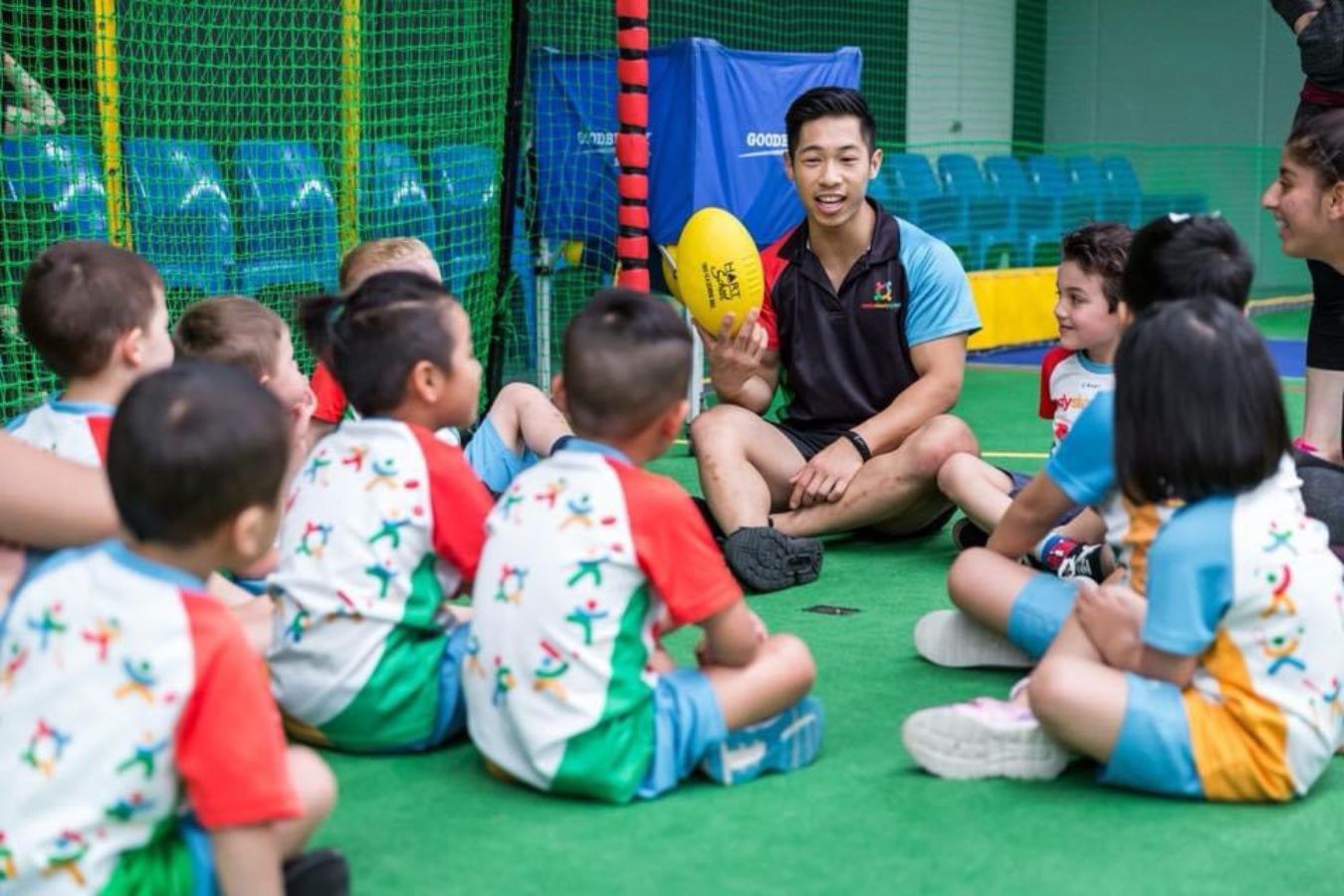
Each Ready Steady Go Kids class is structured into clear segments:
- Welcome circle
- Warm-ups
- Sport of the week
- Gross motor game or circuit
- Goodbye circle
This predictable format helps kids settle in, feel secure, and become confident learners.
Making It Work for Your Family
If you're considering structured sport for your little one, start small. One class per week is plenty for toddlers and preschoolers. Look for programs that emphasise fun over competition, include parent interaction opportunities, and understand that some days your child might participate fully while other days they might just watch: and both are perfectly fine.
The goal isn't to create the next Olympic athlete. It's to provide structure, social opportunities, physical development, and maybe: just maybe: give you a chance to have an adult conversation while your child learns and grows.
The Bottom Line
Do kids still need structured sport activities? In our screen-heavy, busy world, the answer is more relevant than ever. But the real question isn't whether your child needs it: it's whether your family would benefit from the routine, community, and development opportunities that quality programs provide.
Structured sport won't solve all your parenting challenges (wouldn't that be nice?), but it can provide a foundation of physical confidence, social skills, and family routine that makes everything else a little bit easier.
And honestly, when you're running on three hours of sleep and wondering if you've brushed your teeth today, any activity that tires out your toddler and gives you a chance to connect with other adults who understand the chaos is probably worth trying.
Ready to see if structured sport could work for your family? Find a Ready Steady Go Kids class near you and give it a go. Your future, slightly-more-rested self might thank you.