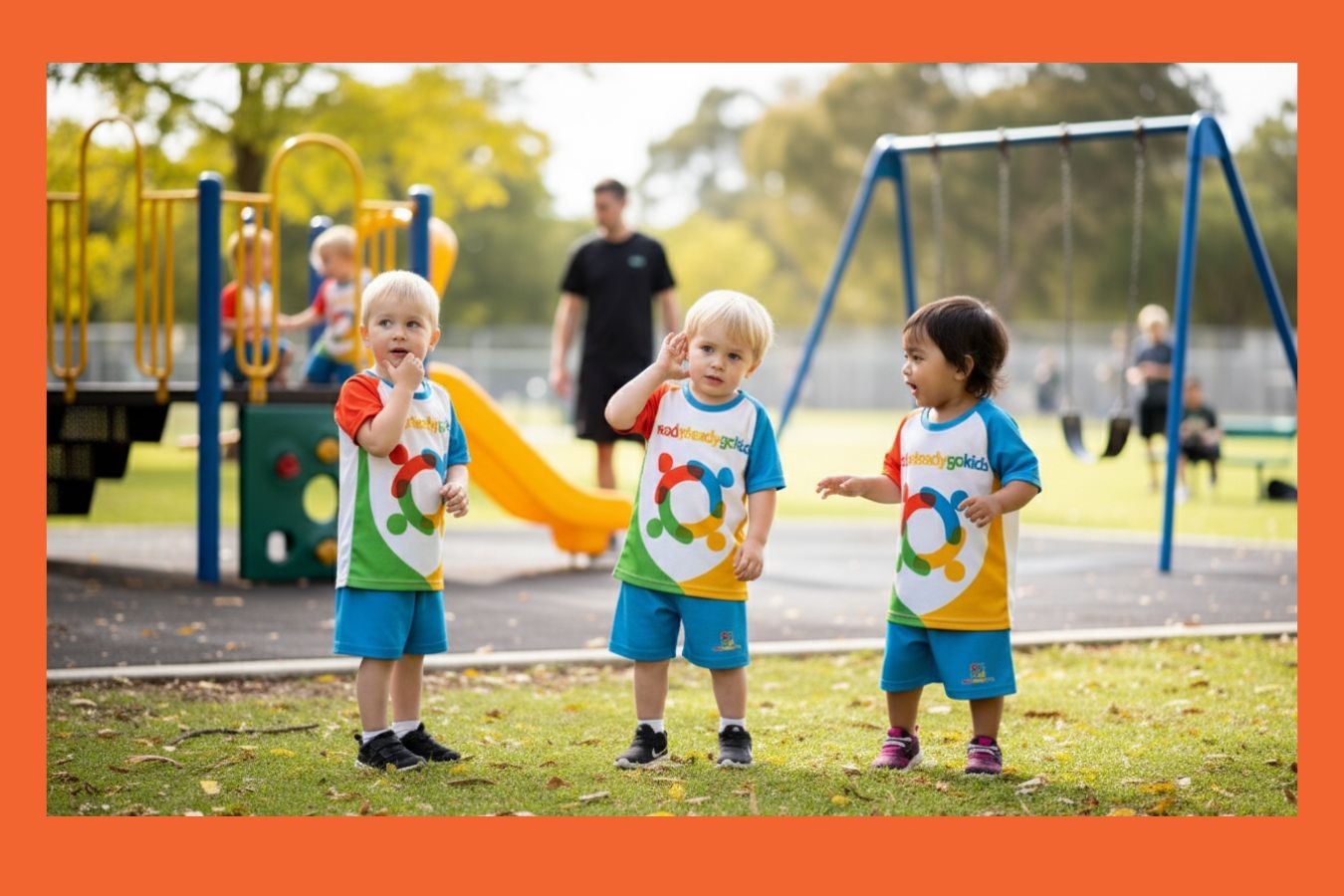
Easy ways to keep the kids moving these holidays!
These upcoming Christmas holidays can feel long - six whole weeks! If you're anything like most parents, you're probably already wondering how on earth you're going to keep your little tornado entertained while juggling sibling squabbles, work deadlines, and never-ending house chores. A simple plan helps: get them outside whenever you can, lean on backyard play and local parks, and mix in easy day trips (beach, bushwalks, playground crawls) to keep everyone moving and engaged. The thought of planning educational activities might feel overwhelming.
But here's the thing – some of the best gross motor skill development happens when kids are just having fun and burning off that endless energy. And gross motor skills? They're the big movement skills that involve those large muscle groups in the arms, legs, and core. Think running, jumping, climbing, and throwing – basically all the things your little ones love to do anyway!
The brilliant news is that you don't need expensive equipment or elaborate setups to help your toddler or preschooler build these essential skills. In fact, many of the most effective activities use stuff you already have lying around the house. Perfect for when you haven't had time to plan ahead (we've all been there!).
Why Gross Motor Skills Matter So Much
Before we dive into the fun stuff, let's quickly chat about why these big movements are so important. Gross motor skills form the foundation for pretty much everything your child will do physically – from riding a bike to playing sports, and even sitting still at a desk when they start school.
Children with strong gross motor abilities tend to be more confident in physical activities, better at maintaining balance and coordination, and often have improved focus and attention spans. Plus, when kids feel confident in their bodies, they're more likely to join in group activities and make friends – win-win!
Simple Activities for Toddlers (Ages 1-3)
Let's start with the little ones who are still figuring out this whole walking and running business.
Living Room Obstacle Course
Transform your living room into an adventure playground using pillows, couch cushions, blankets, and chairs. Create a course where your toddler can crawl under a chair, climb over a pillow mountain, and walk along a line of tape on the floor. This activity is pure gold for developing balance, coordination, and spatial awareness.
Animal Movement Games
This is where things get delightfully silly. Have your toddler move like different animals – bear crawls (hands and feet on the ground, bottom up), crab walks (sitting down, hands behind them, pushing up and walking), or hopping like a bunny. These movements build core strength, coordination, and body awareness while being absolutely hilarious to watch.
Ball Rolling and Kicking
Start with a soft, lightweight ball and practice rolling it back and forth while sitting on the floor. Progress to standing and kicking the ball gently. This simple activity develops hand-eye coordination, balance, and leg strength. Plus, balls are endlessly entertaining to toddlers – they'll happily do this for ages.
Dance Party Central
Put on some music and let your toddler move however they want. Dancing naturally develops rhythm, body awareness, and coordination. It's also fantastic for emotional regulation – perfect for those moments when you need to shift the energy in the room quickly.
Crawling Adventures
Even if your toddler is walking confidently, crawling is still incredibly beneficial for brain development and core strength. Create crawling challenges – under tables, through cardboard boxes, or over cushions. Make it fun by pretending they're exploring caves or tunnels.
Activities for Preschoolers (Ages 3-5)
Preschoolers are ready for more complex challenges and can follow multi-step instructions (most of the time!).
Advanced Obstacle Courses
Step up the complexity with courses that include jumping over objects, balancing on a line of tape, army crawling under chairs, and navigating around cones or markers. You can theme these courses – pirate ship adventures, jungle expeditions, or superhero training missions.
Balance Beam Fun
Use a piece of tape on the floor, a wooden plank, or even the edge of a garden bed as a balance beam. Start with walking forward, then try walking backward, sideways, or on tiptoes. For extra challenge, have them carry something while walking or stop and do a pose in the middle.
Simon Says with a Twist
Play Simon Says incorporating gross motor movements: "Simon says hop on one foot," "Simon says do five jumping jacks," "Simon says walk like a robot." This develops listening skills alongside physical coordination and is great for following instructions.
Throwing and Catching Games
Use soft balls, bean bags, or even rolled-up socks. Start with rolling, progress to throwing underhand, then overhand. Practice catching with both hands. These activities develop hand-eye coordination, timing, and spatial awareness – all crucial for later sports participation.
Playground Challenges
If you can get to a playground, they're purpose-built for gross motor development. Encourage your preschooler to try different equipment – swings develop core strength and spatial awareness, slides teach controlled movement, and climbing equipment builds overall strength and problem-solving skills.
Indoor Activities for Those Inevitable Rainy Days
Because let's be honest, the weather doesn't always cooperate with our grand outdoor plans.
Balloon Games
Balloons are magical for indoor play. Try keeping a balloon in the air using only hands, only feet, or only heads. Play balloon volleyball over a couch or string. The slow movement of balloons makes them perfect for developing tracking skills and coordination.
Yoga for Little Ones
Simple yoga poses are fantastic for building strength, flexibility, and body awareness. Try child's pose (resting position), downward dog (upside-down V shape), and tree pose (standing on one foot). Make it fun by incorporating animal themes or storytelling.
Indoor Bowling
Set up plastic bottles or cups and use a soft ball to knock them down. This activity develops aim, coordination, and provides satisfying cause-and-effect learning. Plus, setting up the pins again gives little fingers fine motor practice too.
Scavenger Hunt Movements
Create a scavenger hunt that involves movement – "Find something red by hopping to it," "Crawl to something soft," "Skip to something that makes noise." This combines cognitive skills with gross motor development.
Making It Work for Real Life
Now, let's talk reality. You're probably reading this while your child climbs on you, asking for snacks every five minutes, and you haven't had a moment to yourself since approximately 2019. Here's how to make these activities actually work:
Start Small: Choose one or two activities rather than trying to create an entire program. Even 10-15 minutes of focused movement makes a difference.
Use What You Have: Don't feel pressured to buy special equipment. Household items work brilliantly and often hold more interest than fancy toys anyway.
Join In When You Can: Your participation makes activities more fun and provides great modelling, but don't feel guilty if you need to supervise from the sidelines while folding laundry.
Embrace the Mess: These activities might create some chaos. That's okay! The benefits far outweigh a few displaced cushions.
Follow Their Lead: If your child shows particular interest in one type of movement, go with it. Repetition is how they master new skills.
The Hidden Benefits You'll Love
Beyond the obvious physical development, these activities offer some parenting wins you might not expect:
Better Sleep: Physical activity helps children sleep more soundly (and for longer – parent win!).
Improved Focus: Regular gross motor activity actually helps with attention and concentration for other tasks.
Emotional Regulation: Physical movement is a fantastic outlet for big emotions and excess energy.
Confidence Building: Mastering physical challenges builds self-esteem that carries over into other areas.
Family Bonding: These activities create joyful shared experiences and positive associations with physical activity.
The long Christmas holiday break doesn't have to be a survival marathon. With a few simple gross motor activities up your sleeve, you can keep your little ones engaged and help their development. Remember, you're doing better than you think, and every bit of movement counts toward building strong, confident, happy kids.
So go ahead, push those couch cushions around, put on that music, and embrace the beautiful chaos of childhood movement. Your future self (and your child's future PE teacher) will thank you!
Wishing you all a very happy and safe festive season
From all of us at Ready Steady Go Kids!