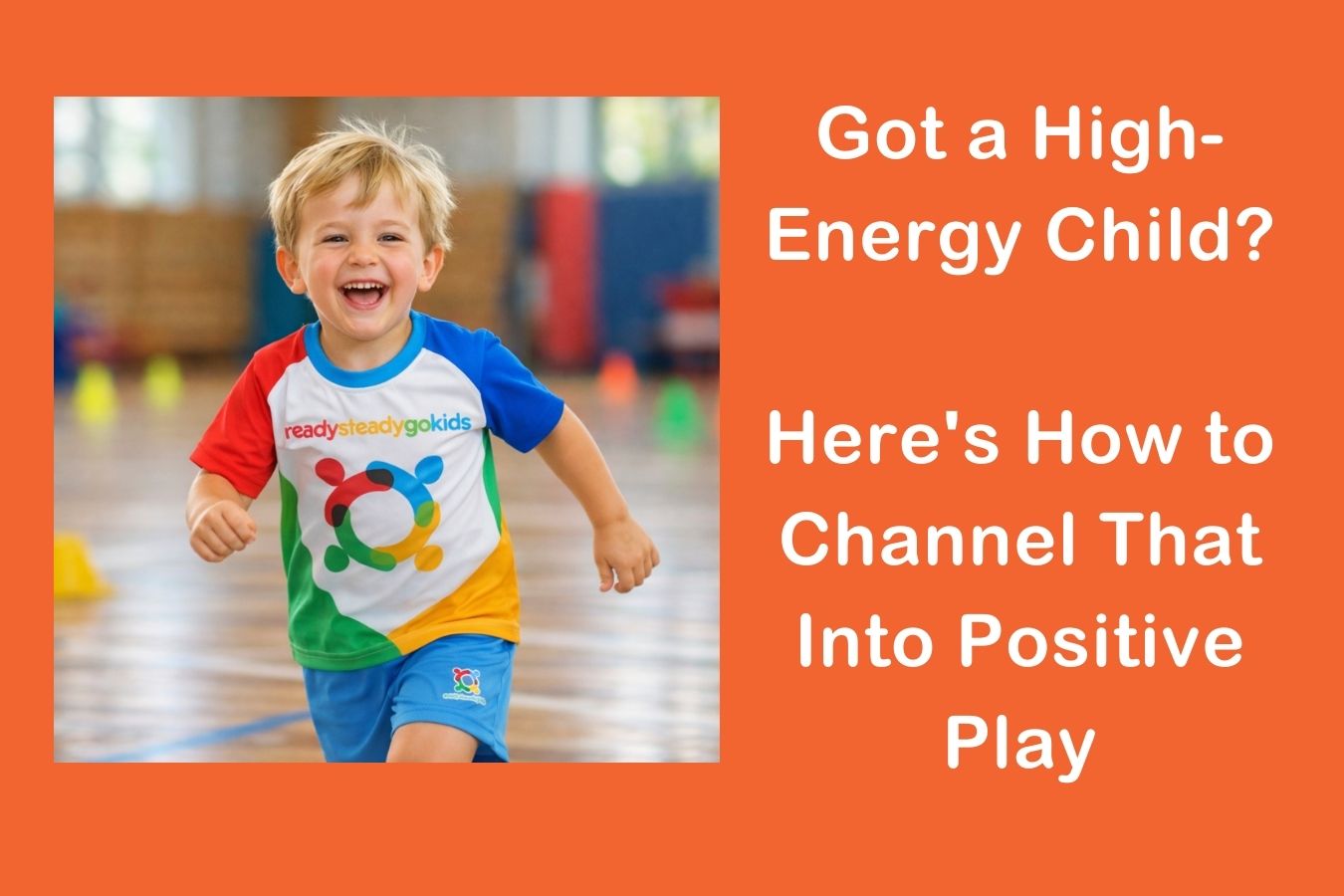
Got a High-Energy Child? Here's How to Channel That Into Positive Play
Got a High-Energy Child? Here's How to Channel That Into Positive Play
You know that kid who bounces out of bed at 6am, runs instead of walks, and still has energy to burn at bedtime? The one who turns the lounge room into a jungle gym and treats every hallway like a racetrack? If you're nodding along while mentally calculating how many hours until bedtime, this one's for you.
High-energy kids aren't broken, they're just wired differently. That endless enthusiasm and drive that sometimes leaves you feeling like you need a holiday? It's actually their superpower. The trick is learning how to harness all that amazing energy and turn it into something positive for both of you.
Reframe the Energy Equation
First things first, let's flip the script. Instead of seeing your child's high energy as something to manage or contain, start viewing it as raw potential waiting to be channelled. These kids are naturally curious, determined, and passionate about life. They're future leaders, athletes, and innovators who just happen to need a bit more movement than the average bear.
The goal isn't to tire them out (though that's a nice bonus). It's about teaching them how to use their energy purposefully while building confidence, social skills, and self-regulation along the way.
Create Physical Outlets That Work
High-energy kids need to move, it's not optional, it's essential. But not all movement is created equal. Random running around the backyard might burn some energy, but structured physical activities build skills while they play.
Sports programs designed for young children, like multi-sport classes, are brilliant because they combine physical activity with skill development and social interaction. Your child learns to follow instructions, take turns, and work as part of a team while getting their movement needs met.
At home, create designated "big movement" zones. Set up obstacle courses using pillows, chairs, and whatever else you have lying around. Dance parties in the lounge room work wonders, put on some music and let them go wild. Even something as simple as marching around the house while you tidy up can help channel that energy constructively.
Master the Art of Indoor Energy Release
Let's be real, the weather doesn't always cooperate, and sometimes you're stuck inside with a child who's practically vibrating with energy. This is where creativity becomes your best friend.
Transform everyday activities into energy-burners. Need them to move from room to room? Make it a bear crawl or crab walk challenge. Waiting for dinner to cook? Time for jumping jacks or a balance challenge. Even cleaning up can become a game when you're racing to put toys away before the music stops.
Sensory play is also incredibly effective for channelling energy. Playdough, water tables, or even a bowl of rice with measuring cups can keep busy hands occupied while giving their minds something to focus on.
Feed Their Minds While They Move
High-energy kids often have equally active minds. They crave mental stimulation alongside physical activity, so look for ways to combine both. Treasure hunts around the house or yard engage problem-solving skills while keeping them moving. Building challenges with blocks or Lego can capture their attention for extended periods.
Educational activities that involve movement are gold. Counting while jumping, spelling words with yoga poses, or learning about animals through actions and sounds all feed their need for both mental and physical engagement.
Build Structure That Actually Works
Here's something that might surprise you, high-energy kids actually thrive with clear structure and routines. They need to know what's expected and when. But here's the key: the structure needs to include regular energy releases, not suppress them.
Build movement breaks into your daily routine. After breakfast, maybe it's five minutes of dancing. Before lunch, perhaps it's a quick walk around the block. These scheduled energy releases help them regulate themselves throughout the day.
The Social Connection Factor
One often overlooked benefit of structured activities is the social aspect, for both kids and parents. High-energy children can sometimes struggle to make friends because their intensity overwhelms quieter kids. But in the right environment, like organised sports classes, they find their tribe.
And while your child is learning to channel their energy alongside peers, you're connecting with other parents who get it. There's something incredibly reassuring about chatting with another parent who also has a child who treats furniture like playground equipment.
Recognise the Wins
When you start viewing your child's high energy as a strength rather than a challenge, everything shifts. That determination that makes them persist when trying to master a new skill? That's the same energy that had them attempting backflips off the couch. The curiosity that drives them to take apart every toy? That's future innovation in action.
Celebrate their energy and help them see it as their superpower too. "Wow, you have so much energy today: let's use it to build the most amazing fort ever!" This positive framing helps them develop a healthy relationship with their own intensity.
Finding Your Village
Managing a high-energy child can feel isolating, especially when you're watching other parents whose children sit quietly colouring while yours is doing laps around the café. But you're not alone, and your child isn't too much: they're just exactly as much as they need to be.
Look for activities and communities that celebrate movement and energy rather than trying to contain it. Multi-sport programs, active playgroups, and movement-based classes aren't just good for your child; they're good for your sanity too.
Remember, that boundless energy isn't something to fix or manage away. It's something to nurture, channel, and celebrate. Your high-energy kid isn't giving you a hard time; they're just having a hard time containing all their awesomeness. And with the right approach, that energy becomes their greatest asset.