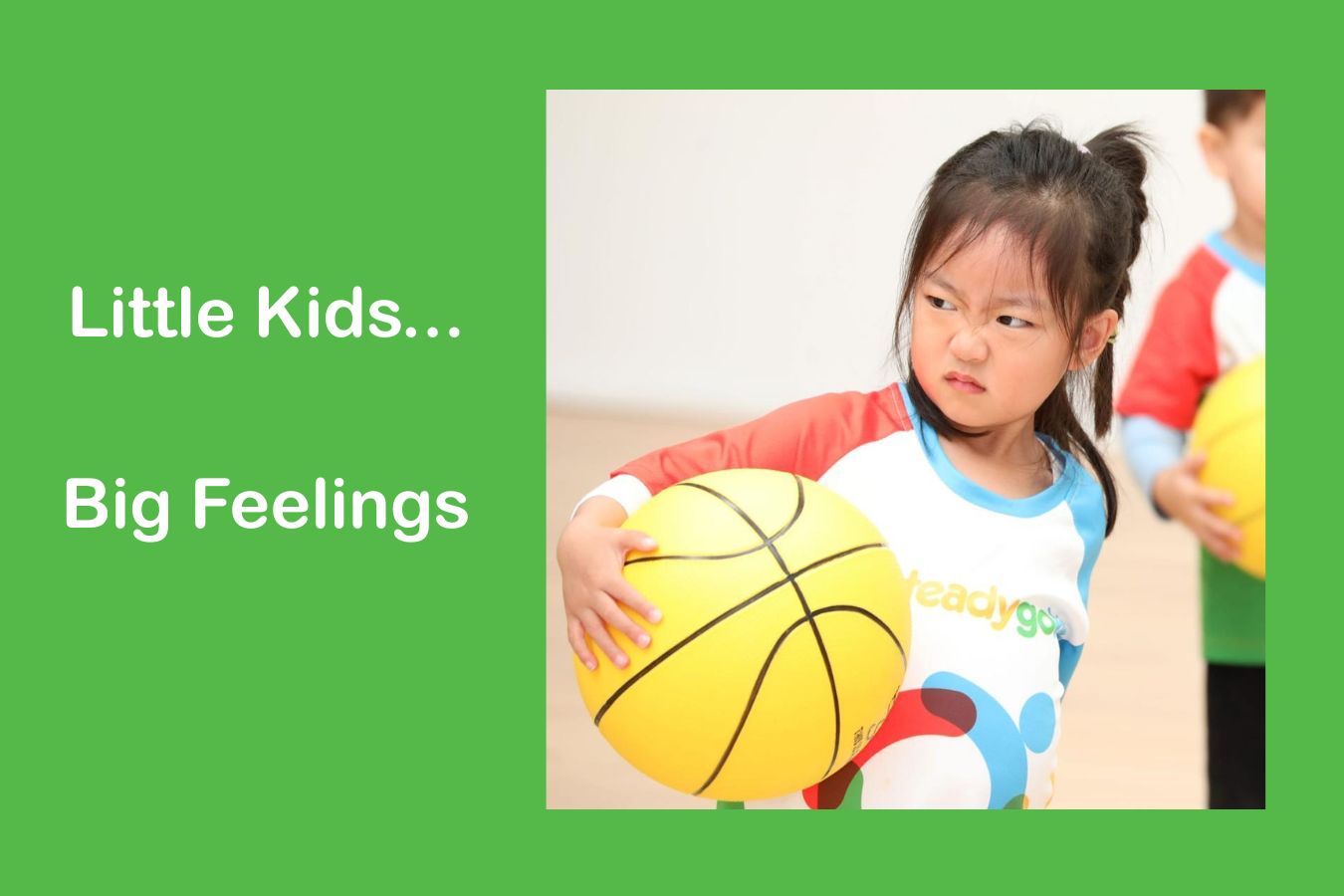
How Sport Helps Kids Manage Big Feelings
How Sport Helps Kids Manage Big Feelings: Emotional Regulation Made Simple
Mornings with little ones can feel like a high-stakes mission on very little sleep. One wrong toast cut and the tears arrive; your coffee goes cold (again). Big feelings are part of early childhood – and they can be intense for kids and exhausting for parents. There is a calmer way forward, and it starts with movement.
The good news? Sport offers one of the most natural and effective ways to help children develop emotional regulation skills. Through structured physical activity, kids learn to understand, process, and manage their emotions in a healthy, constructive environment.
The Science Behind Movement and Emotions
When children participate in sports, their bodies release endorphins and serotonin – the brain's natural mood boosters. Think of these as nature's own emotional regulation system. This biochemical response doesn't just make kids feel good in the moment; it actually teaches their developing brains that physical activity is a legitimate tool for managing stress and big feelings.
Rather than having emotional outbursts or turning inward when overwhelmed, children who regularly engage in sport learn that movement provides a natural outlet for processing difficult emotions. The physical focus required during activities helps redirect their attention away from whatever was causing distress and onto the task at hand.
For parents dealing with daily emotional rollercoasters, this is genuinely life-changing. Instead of trying to reason with a toddler mid-tantrum (we've all been there!), you can guide them toward physical activity as a healthy coping strategy.
Building Emotional Intelligence Through Play
Sport creates a unique environment for developing emotional intelligence – the ability to understand, manage, and express emotions effectively. Here's how each component develops through physical activity:
Self-Awareness: Learning to Recognise Feelings
During sports activities, children experience a wide range of emotions in real-time. They might feel excitement when they successfully complete a skill, frustration when something doesn't go as planned, or pride when they help a teammate. These moments provide perfect opportunities for coaches and parents to help kids identify and name their emotions.
"I can see you're feeling frustrated that the ball didn't go where you wanted. That's completely normal – everyone feels that way sometimes."
Self-Regulation: Managing Emotional Responses
The structured nature of sport naturally teaches children to manage their emotional responses. They learn to take turns, wait for instructions, and handle both success and disappointment appropriately. Over time, they develop strategies like deep breathing, positive self-talk, and refocusing techniques that transfer to other areas of life.
Motivation: Channelling Emotions Productively
Sport helps children learn to channel their emotions into determination and effort. Whether they're trying to improve a skill or master a new technique, kids discover how to use their feelings as fuel for persistence rather than letting them become overwhelming obstacles.
Empathy: Understanding Others' Feelings
Team activities and group sports are particularly powerful for building empathy. Children learn to celebrate teammates' successes, support others when they're struggling, and understand that everyone experiences the same range of emotions they do.
Social Skills: Expressing Emotions Appropriately
The social environment of sport provides countless opportunities to practice expressing emotions in healthy ways. Kids learn to communicate when they need help, celebrate wins with humility, and handle conflicts constructively.
Real-World Emotional Learning in Action
Let's look at some common scenarios that unfold during Ready Steady Go Kids classes and how they contribute to emotional development:
The Perfectionist: A four-year-old becomes upset because they can't catch the ball perfectly on the first try. Through gentle coaching, they learn that making mistakes is part of learning and that improvement comes with practice, not perfection.
The Shy Observer: A quiet child feels overwhelmed by group activities. Coaches help them gradually participate by starting with parallel play and slowly building confidence to join in fully.
The Competitive Spirit: A child becomes overly focused on winning or being first. They learn to celebrate effort over outcome and to find joy in the activity itself rather than just the result.
The Helper: Some children naturally want to assist others who are struggling. This builds empathy and teaches them how to offer support appropriately.
These aren't just cute anecdotes – they're fundamental building blocks of emotional intelligence that will serve children throughout their lives.
The Magic of Structured Support
One of the key advantages of organised sport programs like Ready Steady Go Kids is the presence of trained coaches who understand child development. Unlike playground free-play (which is also valuable!), structured classes provide guided emotional learning opportunities.
Coaches are trained to:
- Recognise when a child is struggling emotionally
- Provide age-appropriate strategies for managing big feelings
- Create inclusive environments where all emotions are acknowledged and accepted
- Model healthy emotional responses themselves
- Help children connect their physical experiences with their emotional learning
This professional support is invaluable for parents who are already juggling countless demands (and probably haven't had a hot cup of coffee in months!).
Building Community Connections for Parents Too
Here's something many parents don't expect when they sign their child up for sport classes – the emotional benefits extend to the whole family. Regular classes provide opportunities for parents to connect with others who are navigating similar challenges with their little ones.
Those conversations on the sidelines about sleep regressions, toilet training victories, and the mysterious phase where your child only eats orange foods?
They're not just small talk – they're community building. Many lasting friendships are formed when parents realise they're not alone in their parenting struggles.
For many mums especially, these connections provide crucial support during what can be an isolating period of life. When you're spending most of your day communicating in toddler-speak and haven't had an uninterrupted conversation in weeks, connecting with other adults facing similar challenges is genuinely therapeutic.
Practical Tips for Supporting Emotional Development
Here are some ways to maximise the emotional learning benefits of sport for your child:
Before Classes:
- Talk about what emotions they might experience and normalise all feelings
- Establish that trying is more important than being perfect
- Set realistic expectations based on your child's developmental stage
During Activities:
- Model positive emotional responses yourself
- Celebrate effort and improvement, not just outcomes
- Help your child name emotions as they arise
After Classes:
- Discuss what happened and how it felt
- Reinforce lessons learned about managing emotions
- Connect the strategies used in sport to home situations
At Home:
- Encourage physical activity when emotions run high
- Practice the breathing techniques or calming strategies learned in class
- Reference sport experiences when similar emotions arise in daily life
The Long-Term Benefits
Children who learn emotional regulation through sport develop skills that extend far beyond the playing field. They're better equipped to handle academic pressures, social challenges, and life's inevitable disappointments. They learn that emotions are normal and temporary, and that they have tools to manage them effectively.
For parents, watching your child develop these skills is incredibly rewarding. Instead of feeling helpless during emotional outbursts, you'll have concrete strategies to help guide your child through difficult moments. And yes, this means fewer public meltdowns over triangle toast!
Getting Started
If you're ready to help your child develop these crucial emotional regulation skills while building connections with other parents in your community, Ready Steady Go Kids classes provide the perfect environment. Our trained coaches understand child development and create supportive spaces where children can safely explore their emotions while having fun and staying active.
Remember, emotional regulation is a skill that develops over time with practice and support. Sport provides one of the most natural and enjoyable ways to build these capabilities while also promoting physical health and social connections.
Your child's emotional development journey doesn't have to be something you navigate alone. Through structured sport programs, professional coaching support, and connections with other parents, you're building a foundation that will serve your family for years to come.
And who knows? You might even manage to finish that cup of coffee while your little one learns these valuable life skills!