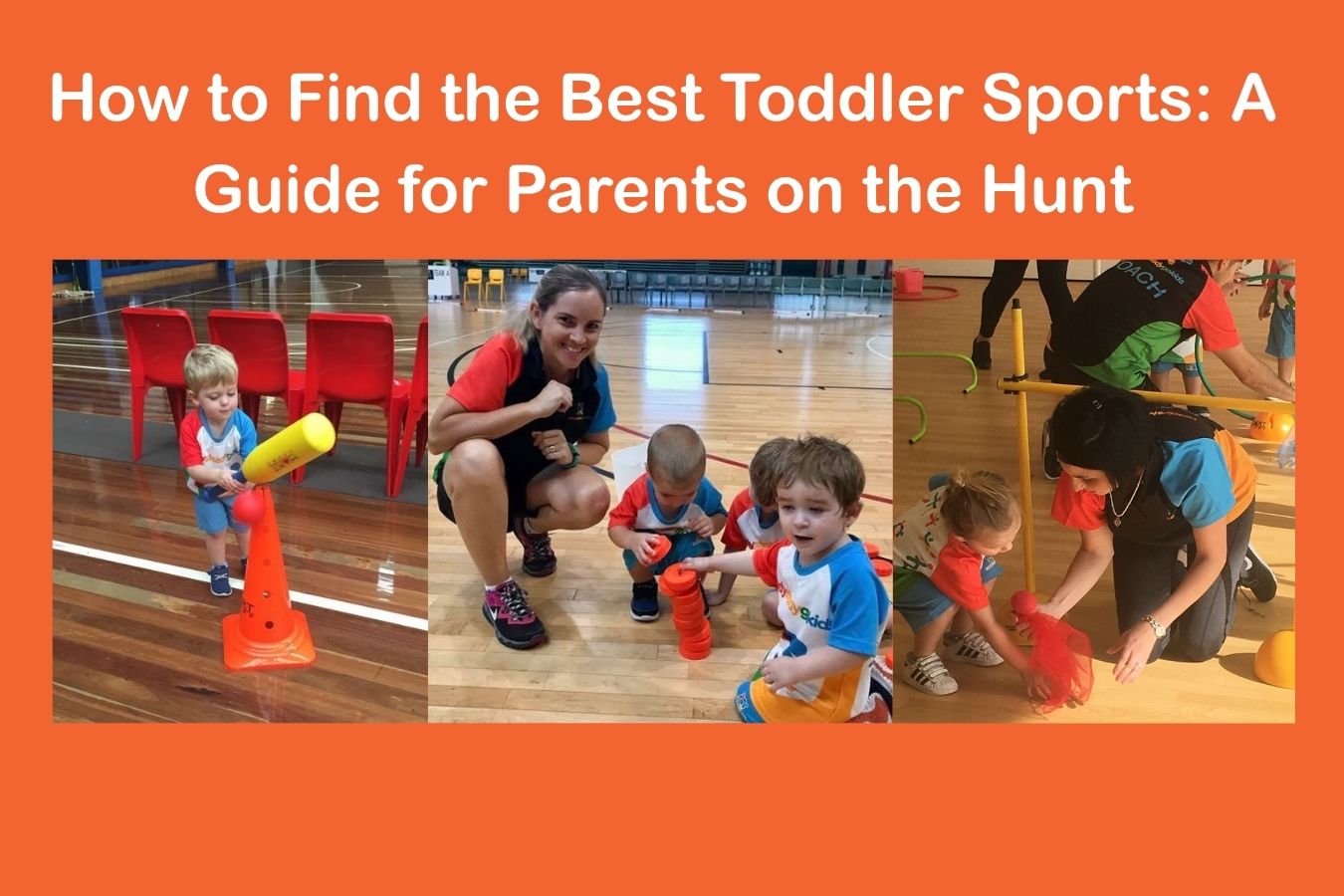
How to Find the Best Toddler Sports: A Guide for Parents on the Hunt
If you are a parent on the hunt for the holy grail of toddler activities, chances are you are doing it while reheating the same cup of coffee, fishing a half-eaten sultana out of your pocket, and wondering if you’ll ever go to the loo alone again. We get it. Parenting little ones is equal parts adorable and absolutely chaotic. So when you’re looking for the right sports program, you don’t need more stress. You need something fun, structured, and genuinely helpful.
That’s where a great toddler sports program can be a lifesaver. The right class does more than burn off some of that endless toddler energy. It helps children aged 1.5 to 6 build gross motor skills, confidence, coordination, and a love of movement in a fun, non-competitive environment. Even better, a multi-sport program with 10 different sports keeps things interesting, so your child can try new skills without getting bored by week two. Here’s how to find a program that works for your child and, just as importantly, feels like a win for you too.
We Get the Parent Struggle
Let’s be honest: parenting young kids can be wonderful, but it can also feel a bit lonely. Some days your biggest conversation is with a small person demanding the blue cup, then changing their mind and insisting they always wanted the green one. Getting out to an activity isn’t just about keeping your child busy. It’s also about seeing other adults, having a chat, and remembering you’re not the only one living on broken sleep and emergency snacks.
That’s one of the underrated perks of group activities. They give kids a chance to move, learn, and have fun, while parents get the chance to meet other mums, dads, and carers in the same stage of life. Programs like Ready Steady Go Kids can become more than just a weekly class. They can become part of your village. A quick chat on the sidelines can turn into a real friendship, and when you’re deep in the toddler years, that kind of connection matters.
Safety Comes First, Always
Of course, fun is important, but safety is right at the top of the list. When you’re checking out any toddler sports provider, you want to know your child will be learning in a safe, supportive environment with people who understand young children.
You can review the details on the Ready Steady Go Kids Child Safe page, but here are a few things worth looking for before you enrol:
- Soft, age-appropriate equipment designed for little hands and feet.
- A clean, well-organised space with plenty of room to move safely.
- Coaches who have the right checks, training, and experience working with young children.
- Clear processes for incident reporting and child safety.
When those basics are in place, you can breathe a little easier knowing your child is in an environment built for safe movement, learning, and fun.
Why Toddler Sports Matter for Gross Motor Skills
Toddlers and preschoolers are busy learning how their bodies work, and that’s exactly why movement matters so much in the early years. A quality sports program helps children build gross motor skills like balance, coordination, strength, running, jumping, kicking, and catching. Those skills don’t just help on the sports field later on. They support everyday confidence too, whether your child is climbing at the playground, hopping over a puddle, or racing you down the hallway in superhero mode.
According to Project Play, children who are active from an early age are significantly more likely to stay active as adults, which is a pretty strong reason to start early.
Some of the big benefits include:
- Motor skill development: Repetition, guidance, and playful practice help children improve coordination and balance.
- Bone health: Weight-bearing activities support strong, healthy growth during important developmental stages.
- Healthy habits: Regular movement helps children build positive routines around physical activity.
- Visual tracking: Ball sports like tennis and soccer help children develop hand-eye coordination and tracking skills.
If you’d like to dig deeper, you can read more on the Ready Steady Go Kids Benefits page.
Why 10 Sports Is a Brilliant Idea
If your toddler changes their favourite thing every 14 minutes, welcome. That’s exactly why a multi-sport program makes so much sense. Young children thrive on variety, and trying different activities keeps them curious, engaged, and excited to come back.
The Ready Steady Go Kids program introduces children to 10 different sports:
- Soccer: Great for foot coordination and spatial awareness.
- Tennis: Helps build hand-eye coordination and tracking.
- Basketball: Encourages bouncing, catching, and body control.
- Hockey: Supports stick skills, concentration, and coordination.
- Golf: Builds patience and body awareness.
- Australian Rules Football: Develops kicking and marking skills.
- Cricket: Helps with striking, timing, and focus.
- Athletics: Builds running, jumping, and movement confidence.
- Rugby: Encourages teamwork and coordination.
- T-ball: Supports batting and ball tracking.
That variety gives children a brilliant foundation in physical literacy without the pressure of picking one sport too early. It also means they can develop essential gross motor skills in a fun, non-competitive setting where the focus is on trying, learning, and enjoying movement.
It Helps with School Readiness Too
Toddler sports are not just about wearing out your child before lunch, although that is certainly a bonus. They also help with school readiness in ways parents really value. In a structured class, children learn to listen to instructions, wait their turn, follow routines, and practise self-control. Those are big skills for little people, and they make the transition to kinder and school much smoother.
There are social and emotional benefits too:
- Confidence: When children master a new skill, even a small one, you can see their confidence grow.
- Resilience: Trying again after a wobble, a miss, or a “not yet” moment helps build persistence.
- Social skills: Group classes give children the chance to share space, take turns, and interact with peers.
How to Choose the Right Program
When you start Googling “toddler sports near me”, the options can feel endless. To make life easier, here are a few things to keep in mind when choosing a program:
- Make sure it’s age-appropriate: Look for activities designed specifically for children aged 1.5 to 6, not watered-down versions of adult sport.
- Check the coaches: You want instructors who understand early childhood development and know how to keep things positive, encouraging, and engaging.
- Look at the vibe: A welcoming, non-competitive atmosphere makes a huge difference. At this age, sport should feel fun, never pressured.
- Ask about a trial: A trial session can be really helpful, especially if your child takes a little while to warm up.
- Think about convenience: A nearby venue can make weekly classes much easier to stick with, especially when life is already busy enough.
The best program should feel like a good fit for your child’s stage, personality, and energy levels, while also making your week feel easier, not harder.
Conclusion
Finding the best toddler sports program does not need to feel like another impossible parenting task on an already overflowing list. When you choose a program that prioritises safety, variety, gross motor development, and fun, non-competitive learning, you’re giving your child a fantastic start.
And let’s not forget the parent bonus. Alongside all the physical and developmental benefits for your child, a great class can help you find your people too. A friendly chat on the sidelines, a familiar face each week, a reminder that other parents also haven’t had a hot coffee in days, it all counts. That sense of community can be just as valuable as the class itself.
If you’d like to learn more, explore the Ready Steady Go Kids About page. With 10 sports, a focus on gross motor skills, and a fun, non-competitive approach, it’s a programme designed to help children build confidence, develop school-ready skills, and fall in love with movement from the very beginning.