It's OK for your child NOT to be OK in their first RSGK class!
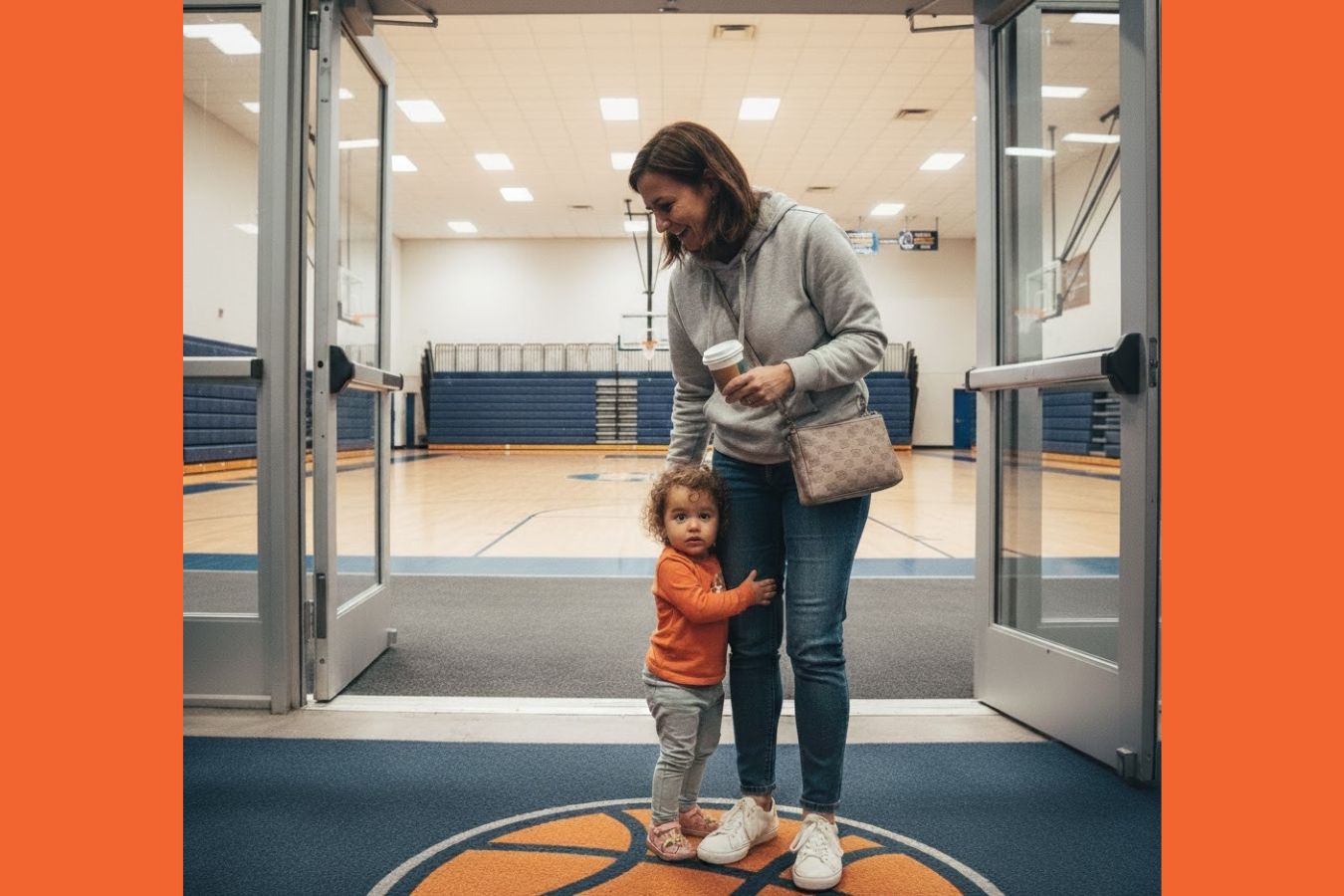
Picture this: you've spent the morning wrestling your toddler into their sports gear, tracking down the missing water bottle, and finally made it to your first Ready Steady Go Kids class. You're secretly hoping for 45 minutes of structured fun where your little one might actually listen to someone other than you. But then it happens – your child takes one look at the court, the other kids, and the enthusiastic coach, and promptly decides they want to become a barnacle attached to your leg.
Sound familiar? Take a deep breath, mum or dad. This scenario plays out in sports halls across Australia every single week, and we're here to tell you something important: it's completely okay if your child is not okay in their first RSGK class.
Every Child Responds Differently (And That's Perfectly Normal)
At Ready Steady Go Kids, our coaches see it all. The confident little athletes who bound straight into activities, the cautious observers who prefer to watch from the sidelines, and yes, the ones who decide that clinging to mum's leg is their preferred sport for the day. Each response is completely normal and valid.
Children are remarkable little beings processing a whirlwind of new experiences in those first few minutes. They're encountering new faces, unfamiliar surroundings, different equipment, and often a whole group of other children they've never met. For a toddler or preschooler, this can feel overwhelming, exciting, scary, or all three at once.
Your child might:
- Cry or become clingy when you try to encourage participation
- Hide behind you during warm-up activities
- Refuse to join in with group games
- Watch intently but not move from their spot
- Start enthusiastically but then become overwhelmed and withdraw
- Want to leave before the session ends
All of these reactions are part of the normal adjustment process. There's no "wrong" way for your child to experience their first class.
Why Some Kids Need Time to Warm Up
Understanding why children might struggle initially can help ease your own worries as a parent. For young children, stepping into a new environment involves several developmental challenges that adults often take for granted.
Processing New Information: Toddlers and preschoolers are still developing their ability to process multiple new inputs simultaneously. The combination of new people, new rules, new activities, and new surroundings can be genuinely overwhelming.
Attachment and Security: It's developmentally appropriate for young children to seek comfort and security from their primary caregivers when faced with new situations. That leg-clinging behaviour? It's actually a sign of healthy attachment.
Individual Temperament: Some children are naturally more cautious or sensitive to new experiences. This isn't a flaw – it's simply their temperament, and it often comes with wonderful qualities like thoughtfulness and careful observation.
Previous Experiences: Children who haven't had many group activity experiences may need more time to understand the flow and expectations of a structured class environment.
How Our RSGK Coaches Support Families Through the Adjustment
Ready Steady Go Kids coaches are specially trained to work with children across the full range of readiness and comfort levels. They understand child development and have strategies specifically designed to help hesitant participants feel safe and gradually become more engaged.
Creating a Welcoming Environment: Our coaches start each session by acknowledging every child, including those who might be hanging back. A simple wave, a friendly "Good morning" directed their way, or even just making eye contact can help a nervous child feel seen and accepted.
No Pressure Participation: RSGK coaches never force participation. They might invite a child to join in, offer modifications, or suggest they "just watch for now" without making the child feel like they're failing or disappointing anyone.
Working With Parents: Our coaches understand that parents are often feeling just as uncertain as their children. They'll communicate with you about your child's comfort level and suggest gentle ways to encourage participation without creating pressure.
Flexible Approach: Activities can be modified on the spot. If your child is more comfortable participating while holding your hand, that's perfectly fine. If they prefer to mirror activities from the sideline, that works too.
Building Relationships: Coaches focus on building trust and rapport with each child individually. This might mean remembering your child's name, acknowledging something they're wearing, or simply being consistently patient and positive.
Practical Tips to Help Your Child Adjust
While every child's adjustment timeline is different, there are several strategies you can use to support your little one through this process.
Arrive Early: Getting to class a few minutes early allows your child to observe the environment when it's quieter and less overwhelming. They can explore the space, see the equipment, and watch other families arriving.
Stay Close Initially: Position yourself where your child can easily see you and access you if needed. Many children participate more freely when they know their security base is nearby and available.
Model Enthusiasm: Children pick up on our emotions and energy. If you seem nervous or worried about their participation, they'll sense it. Try to project calm confidence, even if you're feeling anxious inside.
Avoid Bargaining or Bribing: Resist the urge to promise rewards for participation or make deals about leaving early. This can inadvertently increase pressure and anxiety around the activity.
Celebrate Small Wins: If your child participates in just one activity, or even just waves at the coach, acknowledge it positively without making a huge fuss that might create pressure for next time.
Be Patient With the Process: Some children warm up quickly, others take several sessions. Avoid comparing your child's timeline to others in the class.
When Other Parents Give You "The Look"
Let's be honest – sometimes you'll encounter other parents whose children seem to jump straight into activities without hesitation. You might notice some raised eyebrows or well-meaning but unhelpful comments about your child's participation level.
Here's the thing: those parents have likely been where you are, or they will be at some point in their parenting journey. Every child has areas where they shine immediately and areas where they need more time and support. Today it might be sports class, tomorrow it could be something else entirely.
Remember that you know your child best. You understand their temperament, their needs, and their timeline better than anyone else in that room. Trust your instincts about how to support them, and don't let external pressure influence your approach.
What Success Actually Looks Like
It's important to redefine what success looks like in those first few classes. Success isn't necessarily a child who immediately joins every activity with enthusiasm.
Success might look like:
- Your child staying in the room for the entire session (even if they don't participate)
- Making eye contact with the coach
- Watching activities intently and learning through observation
- Participating in one small activity or segment
- Coming back for a second session despite being hesitant the first time
- Gradually moving closer to the group over multiple sessions
- You feeling supported and understood by the coach and program
The Long-Term Perspective
Children who take time to warm up to new activities often become some of the most engaged and enthusiastic participants once they feel comfortable. Their initial caution often means they're observing carefully, learning the routines, and building understanding before jumping in.
Many RSGK coaches can share stories of children who started out clinging to parents and ended up as class leaders, enthusiastic participants, or even junior helpers who welcome new nervous children into the group.
The skills your child develops through navigating this adjustment – resilience, self-awareness, the ability to take their time when needed – are valuable life skills that extend far beyond sports class.
Trust the Process (And Trust Your Child)
Your child's response to their first Ready Steady Go Kids class is information, not a judgment. They're telling you about their needs, their comfort level, and their processing style. By accepting and supporting them through this adjustment, you're teaching them that their feelings are valid and that they can trust you to support them through new experiences.
Remember, Ready Steady Go Kids classes are designed to be fun, inclusive, and developmentally appropriate for children aged 1.5 to 6 years. This includes children who need time to feel comfortable before participating fully.
So next time you're in that sports hall, watching your child observe rather than participate, take a moment to appreciate what they are doing. They're learning, processing, and building the foundation for future engagement. They're exactly where they need to be, and so are you.
Ready Steady Go Kids offers a FREE trial so families can experience a class without committing up front. we also offer 1 paid trial if you want to give it one more try before committing to the remainder of the term. This way, you and your child can feel confident and comfortable with your decision before making a commitment.
And hey, if all else fails, at least you're getting some adult conversation time with other parents while your little observer takes it all in. Sometimes that's exactly what we all need.