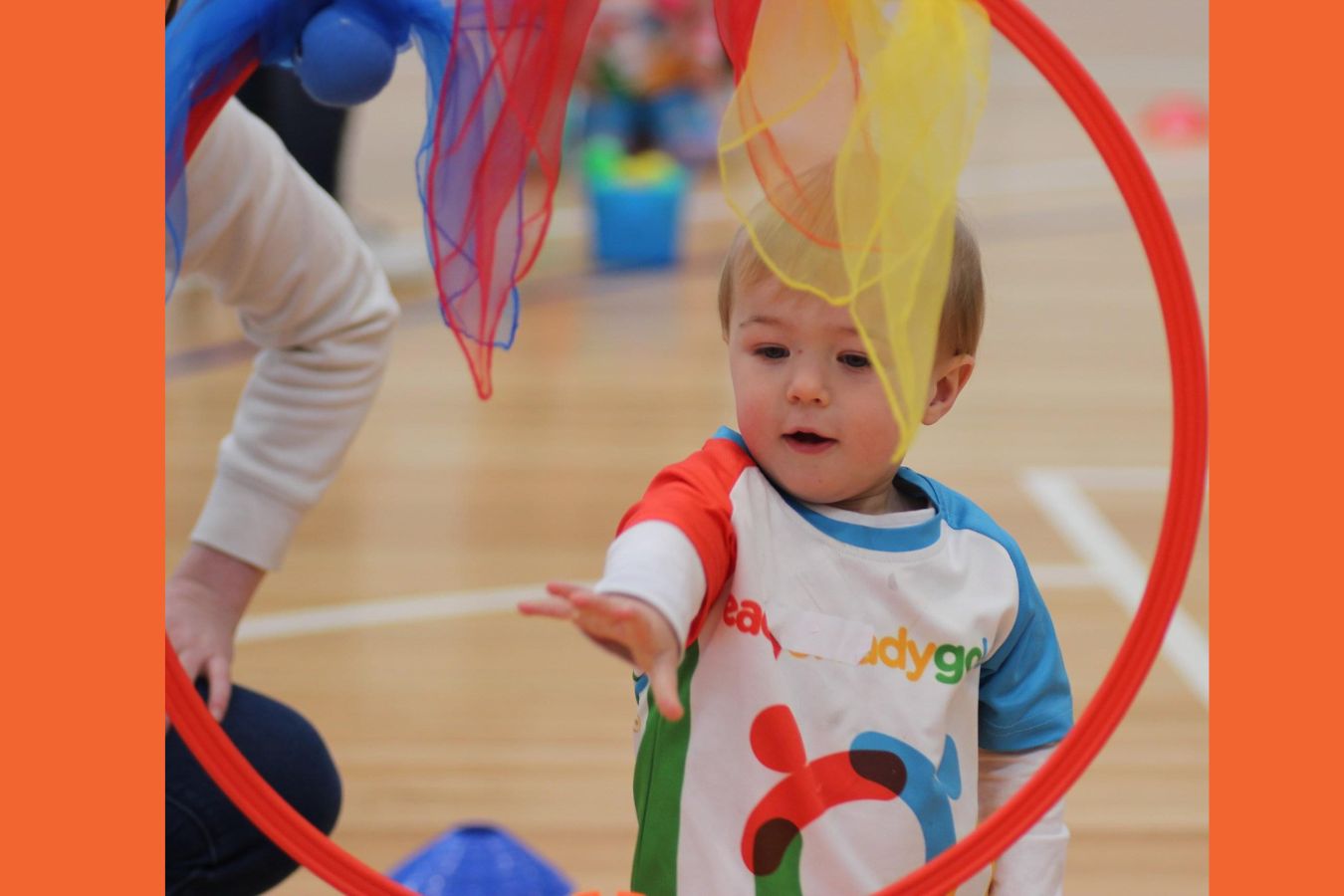
Move, Play, Grow: The Multi-Sport Secret for Toddlers
Picture this: you're three coffees deep, your toddler is bouncing off the walls like a tiny tornado, and you're wondering if there's actually a way to channel all that energy into something constructive. Well, here's some good news that doesn't require you hiding in the bathroom for five minutes of peace (though we totally get it if you need to do that too).
Multi-sports programs are revolutionizing how our little ones learn to play, move, and develop – and the benefits go way beyond just tiring them out enough for an actual nap.
What Actually Is Multisports?
Before we dive in, let's get clear on what we're talking about. Multi-sport isn't about creating the next Olympic champion (though wouldn't that be nice for the college fund?). It's about exposing toddlers to different sports and movement patterns in a fun, pressure-free environment.
Instead of focusing on one sport, kids get to try everything – soccer, basketball, tennis, athletics, and more. Think of it as a buffet for movement, where your child gets to sample different activities and discover what they love.
The Brain-Building Magic
Here's where it gets really exciting (and where you can feel good about screen time limits). When toddlers participate in multiple sports, they're literally building their brains in ways that single-sport focus simply can't match.
Each sport challenges different areas of the brain. Soccer requires spatial awareness and quick decision-making. Basketball develops hand-eye coordination and strategic thinking. Tennis builds reaction time and focus. When kids switch between these activities, they're developing cognitive flexibility – essentially training their brains to be more adaptable and creative problem-solvers.
This isn't just good for sports; it translates directly to better academic performance, improved attention spans, and enhanced learning capacity overall. So while you're watching your little one kick a ball around, they're actually developing skills that will help them in the classroom too.
Motor Skills That Actually Matter
Remember when getting your toddler to walk in a straight line felt like a major achievement? Multi-sport takes that foundation and builds something incredible on top of it.
Different sports challenge the body in unique ways. Swimming develops cardiovascular endurance while building total-body strength. Gymnastics activities improve flexibility and core stability. Ball sports enhance hand-eye coordination and reaction time.
This variety is crucial because it ensures balanced physical development. Instead of overdeveloping specific muscle groups (which can lead to injuries later), multi-sport helps children build well-rounded fitness and motor skills. They develop better balance, agility, and spatial awareness – skills that help them navigate playground equipment, ride bikes, and yes, even walk down the hallway without bumping into walls.
Social Skills Without the Drama
If you've ever watched toddlers attempt to "share" toys, you know that social skills don't come naturally. This is where multi-sport becomes a secret weapon for developing better interpersonal skills.
Different sports expose children to various team dynamics and social situations. The teamwork required in soccer looks very different from the turn-taking in tennis or the cooperation needed in relay races. This variety helps kids become more adaptable and socially flexible.
They learn to communicate with different teammates, adapt to various coaching styles, and understand that everyone has different strengths and weaknesses. Plus, they develop genuine sportsmanship – not just the "good job" high-five, but actual empathy and support for others.
Building Confidence (Not Pressure)
One of the most beautiful things about multi-sport is how it builds confidence through variety rather than pressure. In traditional single-sport programs, children might struggle with one particular skill and feel unsuccessful overall.
With multi-sport, kids experience natural ups and downs across different activities. They might struggle with catching in cricket but excel at running in athletics. This helps them develop a realistic understanding of their abilities while building genuine confidence based on effort rather than just natural talent.
They learn that it's okay to be better at some things than others, and that improvement comes through practice and persistence. These are life lessons that extend far beyond the sports field.
Preventing Burnout Before It Starts
Here's something that might surprise you: early sports specialization can actually be harmful for young children. When kids focus intensely on one sport too early, they risk both physical and mental burnout.
Multi-sport prevents this by keeping movement fun and varied. Children maintain their natural love of physical activity because they're constantly experiencing new challenges and discoveries. They don't get bored or overwhelmed by repetitive training in one area.
This approach establishes a lifelong appreciation for physical activity rather than sport-specific skills that might fade if interest wanes. We're not just creating better athletes; we're creating kids who genuinely love to move and play.
The Physical Benefits You Can Actually See
While the brain and social development happens behind the scenes, the physical benefits of multi-sports are visible pretty quickly. Children develop better posture, improved coordination, and enhanced overall fitness.
Different sports rotate stress on different body systems, allowing for recovery while still maintaining activity levels. This reduces the risk of overuse injuries that can occur with single-sport specialization.
You'll notice your child becomes more confident in their physical abilities – climbing playground equipment with ease, riding bikes more skilfully, and even just moving through daily activities with better coordination and awareness.
Real-World Problem Solving
Perhaps one of the most valuable benefits of multi-sport is how it develops problem-solving skills in real-time. Each sport presents different challenges and requires different solutions.
In soccer, children learn to anticipate where the ball will go. In basketball, they figure out spacing and timing. In athletics, they learn pacing and endurance management. These problem-solving skills develop quickly because they're immediately tested and refined through play.
This kind of kinaesthetic learning – learning through movement and experience – is incredibly effective for young children and creates neural pathways that support learning in all areas of life.
Making Movement a Lifelong Love
The ultimate goal isn't to create professional athletes (though we won't complain if that happens). It's to help children develop a genuine love of movement and physical activity that will serve them throughout their lives.
Multi-sport programs introduce kids to the joy of movement without the pressure of performance. They learn that physical activity is fun, social, and rewarding – lessons that combat our increasingly sedentary lifestyle.
When children have positive associations with physical activity from an early age, they're more likely to remain active as teenagers and adults. We're essentially giving them a gift that keeps on giving.
Ready Steady Go Kids offers multi-sport programs designed specifically for children aged 1.5-6 years, providing age-appropriate activities that develop these crucial skills in a fun, supportive environment. Find out more about our programs and see how multi-sports can transform your child's relationship with movement and play.
The transformation isn't just about what happens during the hour-long class – it's about setting the foundation for a lifetime of confident, capable, and joyful movement. And that's something worth getting excited about, even on your fourth cup of coffee.