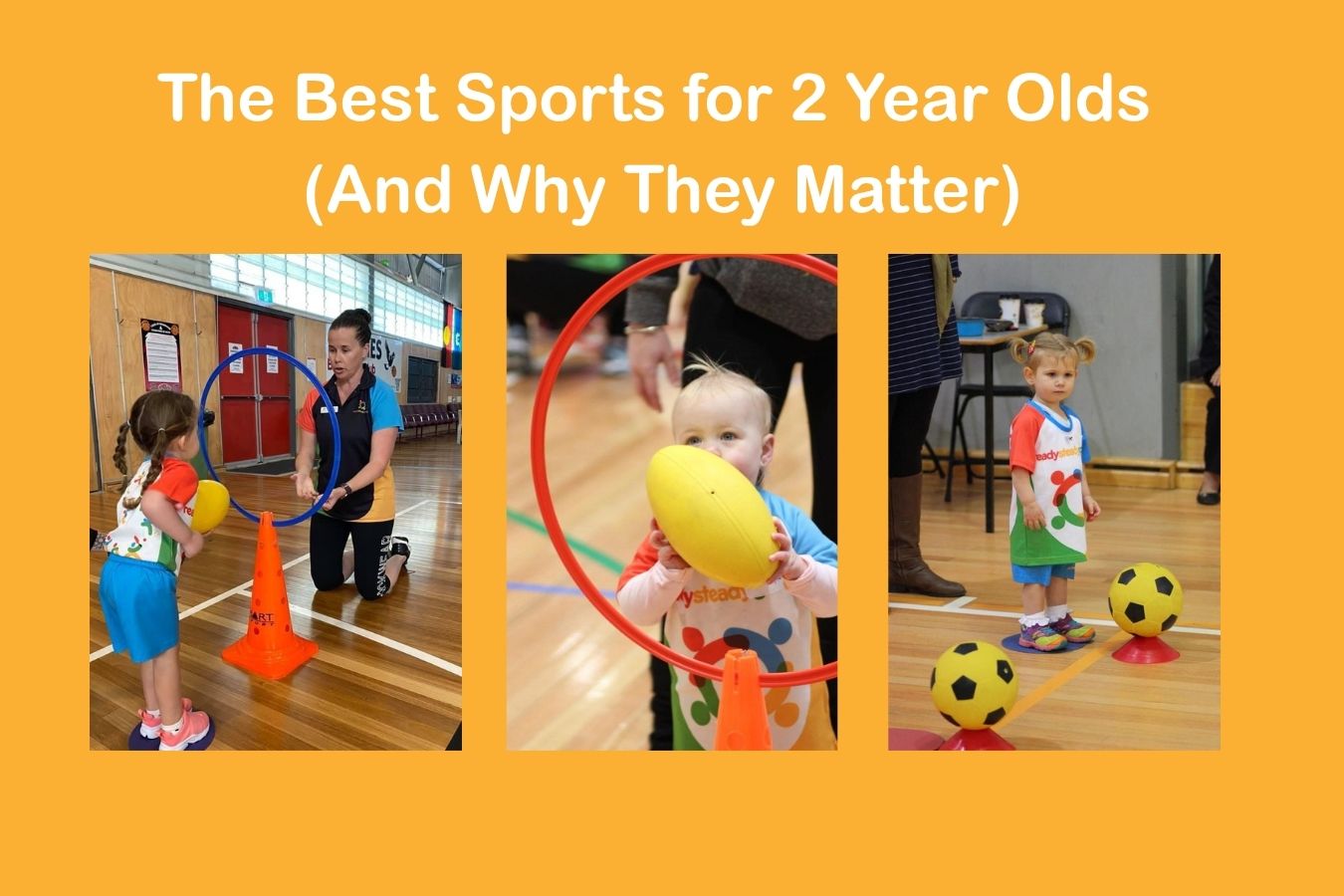
The Best Sports for 2 Year Olds (And Why They Matter)
Introduction to Early Childhood Physical Activity
Toddlerhood is a period characterised by rapid discovery and developmental progression. For children aged two, physical activity serves as a primary vehicle for exploration. Ready Steady Go Kids facilitates the introduction of sports to this age group to establish a foundation for long-term health. It is observed that the age of two is an appropriate stage to initiate structured physical literacy programs. This document outlines the specific sports utilised for two-year-old development and the physiological and social rationales for their inclusion.
Methodology of Play-Based Learning
In the context of toddler sports, the methodology excludes intense competition or rigid adherence to complex regulations. Instead, a focus is placed on play-based learning. This approach encourages physical movement and peer interaction in a controlled environment. The sports curriculum at Ready Steady Go Kids includes soccer, tennis, basketball, hockey, golf, Australian Rules Football, rugby, athletics, cricket, and t-ball. These activities are organised to ensure engagement while delivering specific developmental benefits.
Development of Gross Motor Skills through Soccer
Gross motor skills involve the activation of large muscle groups in the limbs and torso. For a two-year-old, every instance of running, jumping, or kicking contributes to the strengthening of these muscle groups and the refinement of coordination. Soccer is a primary example of a sport utilised for gross motor skill development.
By requiring children to kick a ball, foot-eye coordination and balance are developed. This physical action represents a measurable milestone in a child's physiological progression. Further information regarding the physical benefits of these programs can be found on the benefits page.
Hand-Eye Coordination and Upper Body Strength in Tennis
Tennis is employed to enhance hand-eye coordination in young children. While full match play is not feasible at this developmental stage, the use of a modified racquet to strike a soft ball is a valid training method. This activity assists in the understanding of movement timing and visual tracking of objects.
Upper body strength is also developed through the manipulation of sports equipment. Reports from program coordinators in Canberra indicate that children are capable of hitting a ball over a low net, which serves as an objective marker of coordination and strength.
Spatial Awareness and Grip Strength in Basketball
Basketball is a preferred activity due to its emphasis on reaching and throwing motions. For a two-year-old, the act of holding a ball and attempting to project it toward a low hoop facilitates improvements in grip strength and spatial awareness.
Children are required to judge distances and employ limb force to propel an object toward a target. Additionally, this sport introduces the protocol of turn-taking and shared equipment use. Consistent practice in these areas is associated with better physical outcomes.
Bilateral Coordination through Hockey
Hockey is utilised to develop bilateral coordination, which requires the simultaneous use of both sides of the body. The operation of a hockey stick with two hands to manipulate a ball necessitates significant concentration and motor control.
This activity assists in the development of physical rhythm and the ability to navigate around designated obstacles. Session managers in Perth have observed that hockey encourages children to maintain awareness of their immediate surroundings during movement.
Patience and Trunk Rotation in Golf
Golf is integrated into the curriculum to teach focus and stationary control. For a two-year-old, the primary objective is not the achievement of a specific score but the maintenance of a stable stance and the execution of a controlled swing.
This motion requires trunk rotation and balance, both of which are essential components of physical health. The alignment of a shot and the controlled application of force demonstrate the capacity for concentration in early childhood.
Cardiovascular Health and Team Concepts in AFL and Rugby
Australian Rules Football (AFL) and Rugby are high-energy sports designed to facilitate the expenditure of energy in toddlers. These activities focus on running, jumping, and rapid changes in direction.
These sports introduce the concept of team participation. Participation in group-based physical activities builds cardiovascular health and increases the child’s confidence in their physical capabilities. Information regarding class structures and term dates is available for review.
Fundamental Movement Skills in Athletics
Athletics serves as the foundation for all subsequent athletic movement. Sessions focus on basic skills such as linear running, traversing small hurdles, and throwing objects. These fundamental skills are applicable to all future sporting activities.
Athletics allows toddlers to identify their physical parameters within a structured and safe environment. The emphasis is placed on personal performance rather than comparative achievement.
Striking Skills and Anticipation in Cricket and T-Ball
Cricket and t-ball are implemented to develop striking skills and cooperative effort. In cricket, children are instructed on how to hold a bat and anticipate a ball being rolled toward them. This process requires timing and spatial anticipation.
T-ball uses a stationary ball to increase the likelihood of successful contact for two-year-olds. Both sports involve group encouragement, which facilitates a sense of belonging within a structured group.
The Get Ready Program for Early Learners
For children aged 1.5 to 2.5 years, the Get Ready program has been established. This program was designed by a paediatric occupational therapist to target early movement skills and coordination.
The Get Ready program provides a structured introduction to active play and ensures that children are prepared for more advanced sports curricula. It is recommended for parents seeking a gradual introduction to organised physical activity.
Social Development and Interaction Protocols
Participation in Ready Steady Go Kids classes involves entry into a social environment where children must adhere to specific interaction protocols. These include:
- Taking turns with equipment.
- Adhering to simple instructions provided by the coach.
- Engaging in active listening during instructional periods.
These social skills are necessary for the transition into preschool and formal schooling. The classes provide a controlled environment for the formation of peer connections and the navigation of social scenarios.
Case Study: Progression in Social Confidence
Evidence from Canberra suggests that participation in sports classes correlates with increased social confidence. It was observed that children who initially displayed hesitant or avoidant behaviour, such as hiding behind guardians, showed significant behavioural changes after consistent participation in soccer and basketball sessions.
The transition from observer to active participant is a recognised outcome of the program. These changes include increased interaction with teammates and active engagement in group tasks.
Case Study: Self-Esteem and Physical Competency
Observations from Perth indicate that children often identify specific sports that align with their personal interests. For example, a child may show a preference for athletics or golf.
The identification of a preferred activity and the subsequent mastery of simple skills are linked to increased self-esteem. Children have been observed transitioning from passive roles to leadership roles within their peer groups following successful skill acquisition.
Addressing Parental Isolation and Community Building
Parental loneliness and a lack of community support are identified issues in early childhood parenting. Ready Steady Go Kids classes are organised to provide a venue for parents to establish connections with others in similar circumstances.
By attending regular sessions, parents can engage in social interaction, which serves as a mitigation strategy for social isolation. Building a supportive community of peers is a secondary but significant benefit of the program.
Program Selection and Uniform Requirements
Every child develops at an individual rate. Some may show immediate proficiency in soccer, while others may prefer the focus required for golf. The availability of ten different sports ensures that options are available for all participants.
Support from parents is a required component of the experience. Parents are advised to maintain a consistent attendance record to ensure the best outcomes for the child.
Conclusion
The selection of sports for two-year-olds is based on the prioritisation of movement, fun, and social interaction. Whether the activity involves soccer, tennis, or athletics, each session contributes to the child's developmental trajectory. Early exposure to these activities is essential for establishing lifelong patterns of physical health.
Individuals interested in participating are encouraged to visit the Ready Steady Go Kids website for further details on enrolment and program locations.