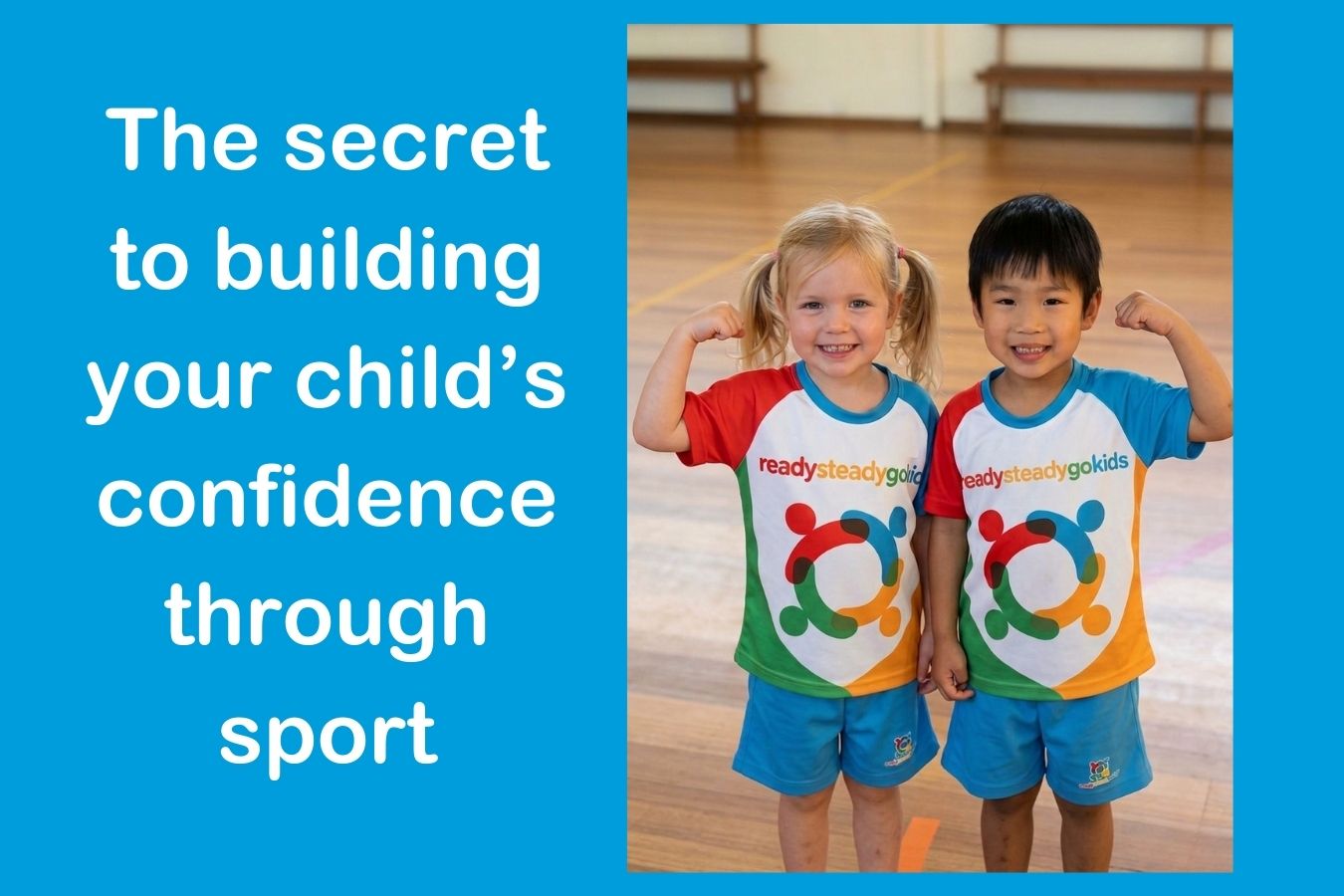
The Secret to Building Your Child's Confidence Through Sport
The Secret to Building Your Child's Confidence Through Sport
Let's be honest - as parents, we all want our kids to feel confident and capable. But when it comes to sport, there's a fine line between encouragement and that dreaded pushy parent territory. You know the one - where kids start dreading Saturday morning classes instead of bouncing out of bed excited to play.
Here's the thing: building genuine confidence in young children through sport isn't about creating mini athletes or pushing them to be the best. It's about creating an environment where they can discover their own abilities, celebrate small wins, and develop a love for movement that lasts a lifetime.
Why Pressure and Pushiness Backfire With Little Ones
Before we dive into what works, let's talk about what doesn't. When we push our toddlers and preschoolers too hard in sport, we're essentially asking their developing brains to handle adult-level pressure. Spoiler alert: they can't.
Young children are still learning basic skills like following instructions, taking turns, and managing their emotions. Add performance pressure on top of that, and you've got a recipe for tears, tantrums, and a child who associates sport with stress rather than fun.
Research shows that children who experience excessive pressure in sport are more likely to drop out entirely by age 10. That's the opposite of what we want, right? We want kids who see physical activity as a natural, enjoyable part of life.
At Ready Steady Go Kids, we've learned that the secret sauce isn't pushing harder - it's creating the right conditions for confidence to bloom naturally.
The Power of Predictable Structure
Here's something that might surprise you: one of the biggest confidence boosters for young children is simply knowing what comes next. Kids thrive on routine and predictability, especially when they're in new or challenging situations.
That's why every Ready Steady Go Kids class follows the same structure:
- Welcome circle (settling in and connecting)
- Warm-ups (preparing little bodies for movement)
- Sport focus (learning new skills in a fun way)
- Gross motor games or circuit (putting it all together)
- Goodbye circle (celebrating and winding down)
This predictable flow does something magical for children's confidence. When they know what's coming next, they can relax and focus on learning rather than feeling anxious about the unknown. It's like having a roadmap for success.
The Raising Children Network confirms that structured routines help children feel secure and confident, which directly translates to better learning outcomes and increased self-belief.
Celebrating Effort Over Outcomes
One of the biggest mistakes well-meaning parents make is focusing on results rather than effort. "Did you score a goal?" "Were you the fastest?" "Did you win?"
These questions, while natural, can actually undermine confidence. They teach children that their worth is tied to performance rather than trying their best.
Instead, try shifting your focus to effort and improvement: "I loved seeing how hard you tried today!" "You really listened well to the coach!" "Look how much better you're getting at catching!"
This approach builds what psychologists call "growth mindset" - the belief that abilities can be developed through effort and practice. Children with growth mindset are more resilient, more likely to take on challenges, and ultimately more confident in their abilities.
The Magic of Individual Pacing
In traditional competitive sport settings, there's often an expectation that all children should progress at the same rate. But anyone who's spent five minutes with toddlers knows this is unrealistic - some are natural movers, others need more time to warm up, and that's perfectly normal.
At Ready Steady Go Kids, we embrace what we call "individual pacing." This means each child is encouraged to participate at their own level, celebrate their own improvements, and move forward when they're ready.
Maybe one child is ready to kick goals while another is still mastering stopping a ball. Both achievements deserve celebration because both represent genuine progress for that individual child. This approach removes comparison and competition from the equation, allowing confidence to develop organically.
Creating Safe Spaces for Risk-Taking
Confidence grows when children feel safe to try new things, make mistakes, and try again. This requires creating both physical and emotional safety in sport environments.
Physical safety is obvious - age-appropriate equipment, safe playing surfaces, proper supervision. But emotional safety is equally important and often overlooked.
Emotional safety means children feel accepted regardless of their ability level, know that mistakes are part of learning, and trust that adults will respond supportively rather than critically. When kids feel emotionally safe, they're willing to step outside their comfort zone - and that's where real confidence building happens.
The Role of Positive Coaching
The coach's approach makes an enormous difference in confidence building. At Ready Steady Go Kids, our coaches are trained to focus on encouragement, fun, and individual progress rather than competition or comparison.
This means you'll hear phrases like:
- "Great try!"
- "I can see you're really thinking about that!"
- "You're getting stronger every week!"
- "What a fantastic effort!"
Rather than:
- "You need to do better"
- "That's not right"
- "Try harder"
The language we use with young children shapes how they see themselves. Positive, encouraging language builds confidence; critical or comparative language tears it down.
Small Steps, Big Confidence
Remember, confidence isn't built overnight. It develops through countless small positive experiences that gradually teach children they're capable, valued, and able to handle challenges.
Every time a shy child joins in the welcome circle, a hesitant mover attempts a new skill, or a frustrated toddler tries again after falling down, confidence grows a little bit more. These moments might seem small to us, but they're huge victories in a child's world.
The Long-Term Benefits
When we get the approach right in those early years, we're setting children up for a lifetime of positive associations with physical activity. They learn that movement is fun, that trying your best matters more than being the best, and that everyone has different strengths to celebrate.
These confident, movement-loving children become active teenagers and healthy adults. They're more likely to join sports teams, try new activities, and maintain fitness throughout their lives. That's the real win.
Making the Right Choice for Your Family
If you're looking for ways to build your child's confidence through sport, focus on finding programs that prioritize fun, individual development, and emotional safety over competition and performance.
Look for coaches who celebrate effort, environments where all children are valued, and structures that help kids feel secure and supported. Most importantly, trust your instincts - if your child is excited about classes and coming home happy, you're on the right track.
Building confidence through sport without pressure isn't a secret formula - it's simply about creating the right conditions for children to discover their own abilities and develop a lifelong love of movement. When we get that balance right, everyone wins.
Ready to give your child the gift of confident, joyful movement? Find a Ready Steady Go Kids class near you and watch their confidence bloom naturally, one fun-filled class at a time.