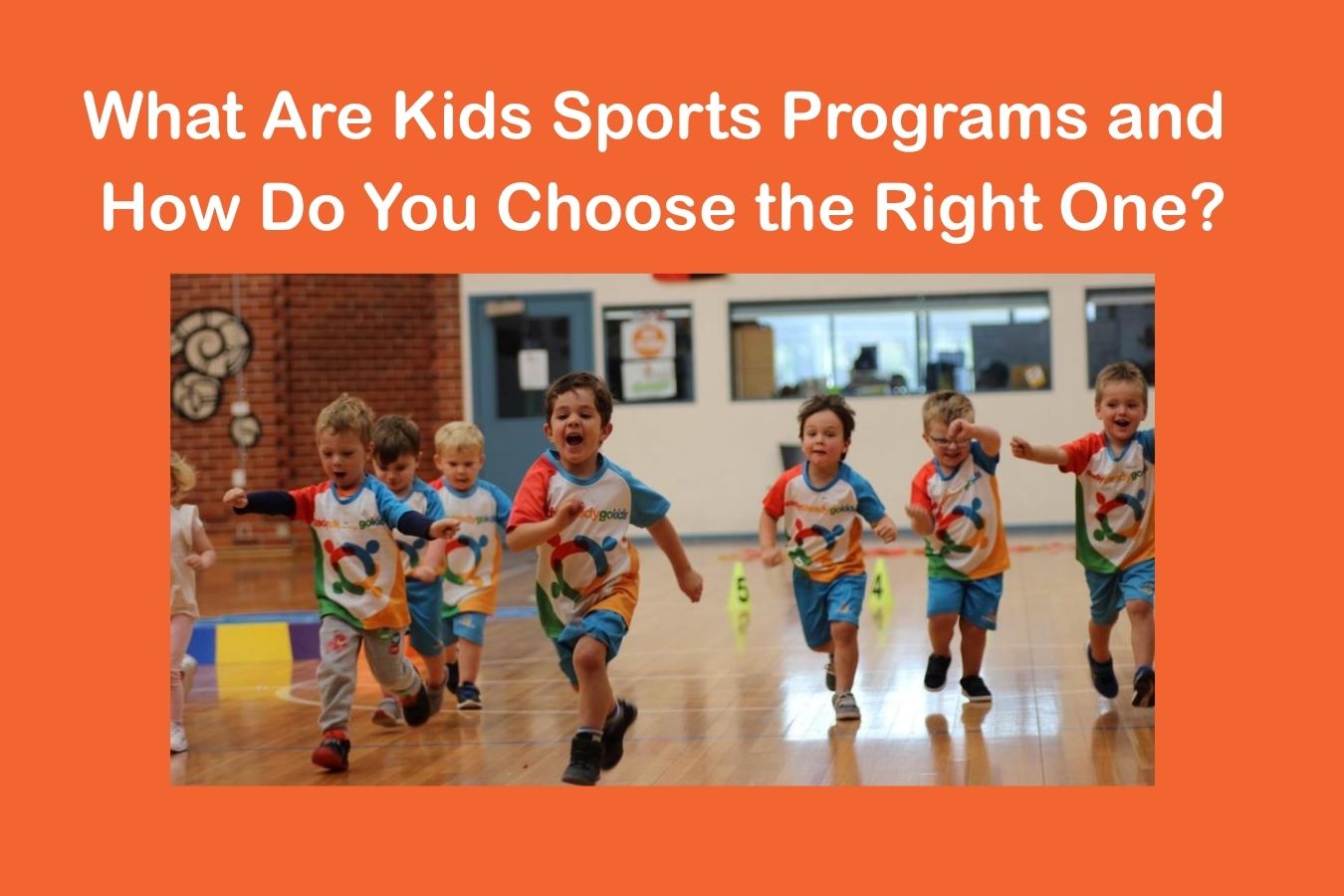
What Are Kids Sports Programs and How Do You Choose the Right One?
The selection of a sports program for children is often a secondary concern for parents who are managed by a schedule of immediate domestic requirements. It is recognised that parental energy levels are frequently depleted by sleep deprivation and the constant management of household tasks. The requirement for caffeine is high, and the opportunity for uninterrupted personal time is statistically low. However, the identification of a structured physical activity program is a significant variable in a child's developmental trajectory.
The Definition of a Kids Sports Program
A kids sports program is defined as a structured curriculum designed to introduce fundamental movement patterns to young children. These programs are delivered through age-appropriate sessions that prioritise physical literacy over competitive outcomes. At Ready Steady Go Kids, the program serves as a comprehensive introduction to physical coordination.
A multi-sport approach is utilised to ensure broad skill acquisition. This methodology prevents premature specialisation, which can lead to limited physical development or early burnout. The program incorporates ten distinct sports: soccer, tennis, basketball, Australian Rules Football (AFL), cricket, golf, athletics, rugby, t-ball, and hockey. Each sport is utilised to target specific motor skills and cognitive responses.
Why Participation is Necessary for Development
Participation in structured sports programs is associated with significant physiological and psychological benefits. While the immediate outcome observed by parents is often the expenditure of excess energy, several underlying developmental processes are facilitated.
Physical and Motor Skill Acquisition
The development of gross motor skills is a primary objective. Through activities such as kicking a soccer ball or jumping in athletics, children improve their balance, agility, and overall body awareness. These physical foundations are essential for safe navigation of the environment, including playground participation and everyday movement.
- Bilateral Coordination: Activities in hockey and t-ball require the use of both sides of the body simultaneously.
- Spatial Awareness: Soccer and rugby necessitate an understanding of one’s position relative to objects and other participants.
- Hand-Eye Coordination: Tennis and cricket specifically target the synchronization of visual input and physical response.
Social and Cognitive Integration
Beyond physical attributes, social skills are developed through group participation. It is observed that children learn to follow sequential instructions, wait for their turn, and interact within a structured group setting. These skills are predictive of successful transitions into formal schooling environments.
Cognitively, the requirement to listen to a coach and remember the rules of a drill involves the use of working memory and executive function. The process of attempting a task and repeating it until successful builds resilience. For parents, this development is a critical component of early childhood education.
Detailed Analysis of the Multi-Sport Curriculum
The Ready Steady Go Kids curriculum is designed to be comprehensive. Each sport contributes unique data points to a child's physical literacy profile.
- Soccer: Focused on foot-eye coordination and cardiovascular endurance. Information on these classes is available at readysteadygokids.com.au/sports.
- Tennis: Prioritises timing and upper body control.
- Basketball: Utilised for improving grip strength and vertical reaching movements.
- Australian Rules Football (AFL): Targets complex kicking mechanics and marking skills.
- Cricket: Develops striking skills and focus on a moving target.
- Golf: Teaches trunk rotation, patience, and controlled physical execution.
- Athletics: Provides the base for all movement, including running, jumping, and throwing.
- Rugby: Encourages teamwork and controlled physical engagement.
- T-ball: A simplified striking sport that builds confidence through high success rates.
- Hockey: Focuses on stick control and bilateral coordination.
Criteria for Selecting a Kids Sports Program
When evaluating potential programs, several objective criteria must be assessed to ensure the selection is appropriate for the child's age and the family’s logistical requirements.
Age-Appropriate Structuring
It is critical that classes are segmented by age group. A curriculum designed for a five-year-old is developmentally inappropriate for a two-year-old. Programs should offer specific levels, such as the Get Ready program for ages 1.5 to 2.5 years, to ensure the activities match the child’s physical and cognitive stage.
Qualifications and Environment
The quality of coaching is a primary variable. Coaches should demonstrate an ability to manage groups of young children effectively while maintaining a focus on encouragement and skill development. The environment must be non-competitive to foster a positive association with physical activity. For further details on our organisational values, please refer to our about page.
Logistical Convenience
For a parent who is managing multiple tasks and has limited peace, the location and timing of the program are vital. A program that offers a smooth enrolment process and is situated in a convenient location reduces the stress on the household. Session times should ideally coincide with the child's peak energy periods, avoiding nap times.
The Role of Confidence and Self-Esteem
A significant outcome of early sports participation is the improvement of a child's self-perception. When a child successfully executes a skill, such as scoring a goal or hitting a ball off a tee, a sense of achievement is generated. This pride is a core component of building self-esteem.
It is noted that many children begin the program with high levels of hesitation. Through consistent participation and the accumulation of "small wins," these children typically transition to being active and confident participants. Case studies from various regions, including Sydney and Adelaide, indicate that consistent attendance leads to measurable growth in social confidence.
Conclusion and Recommendations
The identification and selection of a high-quality sports program is an investment in a child’s long-term health and social integration. While the daily pressures of parenting, including the constant need for coffee and the lack of uninterrupted sleep, are significant, the benefits of structured activity are clear.
A multi-sport approach, such as that offered by Ready Steady Go Kids, provides a diverse skill base that supports physical, social, and cognitive development. It is recommended that parents book a trial session to observe the interaction between the coaches and the children and to assess the suitability of the program.
For more information on the specific benefits of our curriculum, visit readysteadygokids.com.au/benefits. To view current availability and enrolment options, please consult the term dates on the official website.