Why Low Class Ratios Matter for Young Children
What's the Deal with Class Ratios? Why Low Class Ratios Matter for Young Children
Picture this: You've just dropped off your older kid at their first sports class, hoping they'll burn some energy so you might actually get five minutes of peace. But instead of watching your child thrive, you see them lost in a sea of 20+ kids, standing at the back looking overwhelmed while the coach struggles to keep everyone in line. Sound familiar?
Here's the thing – class ratios aren't just fancy education jargon. They're the difference between your child having an amazing experience that builds their confidence, or feeling invisible in a crowd. When it comes to young children's development, smaller really is better.
The Magic Number: What Makes a Good Ratio?
Class ratios refer to how many children are paired with each instructor. Research consistently shows that for preschool-aged children, the sweet spot sits around 1:10 or lower – that's one coach for every 10 kids maximum. For toddlers and very young children, even smaller groups work best.
Think about it from your child's perspective. In a class of 25 kids with one instructor, your little one gets roughly 2.4 minutes of individual attention in an hour-long session. But in a group of 8 with one coach? They're getting over 7 minutes of focused interaction. That's not just mathematics – it's the foundation for meaningful learning and development.
Individual Attention: Every Child Matters
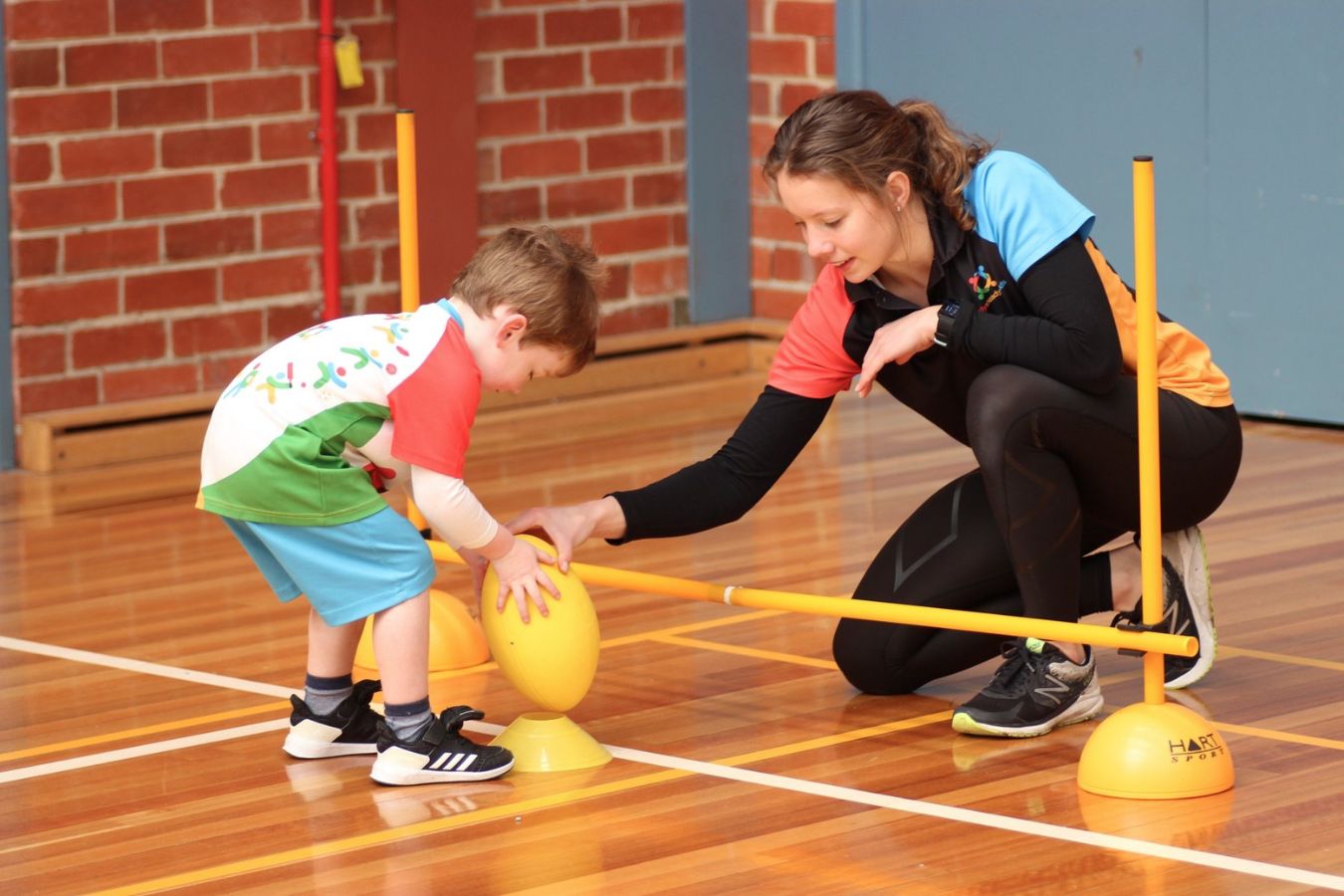
Smaller groups mean your child actually gets seen, heard, and understood. Instead of being just another face in the crowd, coaches can learn your toddler's name, understand their personality, and adapt activities to match their developmental stage.
Does your 3-year-old need extra encouragement to try new activities? In a small group, the coach notices and provides gentle support. Is your 4-year-old ready for more challenging tasks? They get the extension activities that keep them engaged rather than bored.
This individualised approach extends beyond just skill development. Coaches in smaller groups can identify when a child is having an off day, needs a break, or is getting overwhelmed. They can adjust the session accordingly, ensuring every child feels successful and supported.
Social Skills Flourish in Small Groups
Contrary to what you might think, smaller groups actually provide better social learning opportunities. While large classes might seem like they'd offer more peer interaction, research shows the opposite is true.
In smaller groups, every child gets meaningful opportunities to interact with their peers. They learn to take turns, share equipment, and cooperate in team activities without the chaos that comes with larger numbers. There's less competition for attention and resources, which reduces conflict and allows genuine friendships to develop.
Your child also gets to practise important social skills like listening to instructions, following group rules, and participating in structured activities. These are the building blocks for success in future educational settings, but they're much easier to learn in a supportive small-group environment.
Safety First: Peace of Mind for Parents
Smaller groups mean our coaches can closely supervise, help kids use equipment confidently, and keep everyone spaced out safely. They can step in quickly if needed—making sure every child feels secure enough to try something new, push their limits, and grow in confidence.
For our Get Ready & Ready classes, a parent or carer stays right on court, working alongside the coach. Instead of sitting on the sidelines, you’re guiding and encouraging your child every step of the way—with the bonus of extra coach support thanks to small ratios. As kids graduate to independent classes, you’ll find it easier to relax knowing safety remains our top priority, with attentive supervision from our trained team.
Building Confidence Through Success
Small groups create natural opportunities for success. When children aren't competing with dozens of others for a turn or attention, they're more likely to participate actively and feel confident trying new skills.
In larger classes, shy or less coordinated children often fade into the background, missing out on the encouragement and skill-building they need most. But in small groups, every child gets multiple opportunities to practise, receive feedback, and experience success at their own pace.
This confidence boost extends far beyond the sports class. Children who feel successful in structured activities are more likely to approach new challenges with enthusiasm rather than fear.
The Ready Steady Go Kids Difference
At Ready Steady Go Kids, small group sizes aren't an accident – they're a deliberate choice based on what we know works best for young children. Our classes are specifically designed with optimal ratios that allow for meaningful interaction, personalised instruction, and genuine skill development.
Our coaches can learn every child's name, understand their unique needs, and build the relationships that make learning enjoyable. This approach aligns with research from highly effective early childhood programs, which consistently maintain teacher-to-child ratios of 1:10 or lower.
When children feel known and valued by their instructor, they're more likely to listen, participate, and push themselves to try new things. This creates a positive cycle where confidence builds skills, and improved skills build even more confidence.
What This Means for Your Family
Choosing classes with appropriate ratios isn't just about your child's immediate experience – it's an investment in their long-term development. Children who learn in supportive small-group environments develop better social skills, stronger self-confidence, and more positive attitudes toward physical activity and learning in general.
For busy parents juggling work, household demands, and the exhaustion that comes with raising young children, small class sizes also mean better communication with instructors. Coaches can provide specific feedback about your child's progress, suggest activities to practise at home, and alert you to any concerns or milestones.
Questions to Ask Before You Enrol
Before signing up for any children's activity, ask about class sizes and ratios. Don't be afraid to visit a class in action – you'll quickly see the difference between a well-managed small group and a chaotic large one.
Look for programs that prioritise individual development over impressive-looking large classes. Ask how instructors adapt activities for different skill levels and what happens when a child needs extra support or attention.
Remember, the goal isn't just to tire out your toddler (though that's certainly a bonus!). Quality programs with appropriate ratios help children develop physical skills, social abilities, and confidence that will serve them throughout their lives.
The research is clear: when it comes to early childhood development, smaller groups create better outcomes. Your child deserves an environment where they can thrive, not just survive. By choosing programs that prioritise appropriate ratios, you're giving them the foundation they need for a lifetime of learning, growth, and success.
After all, every child deserves to be seen, heard, and valued – and that's exactly what happens when class sizes are kept small and purposeful.